
Key Factors for Driving the Energy Transition Through Advanced Simulation
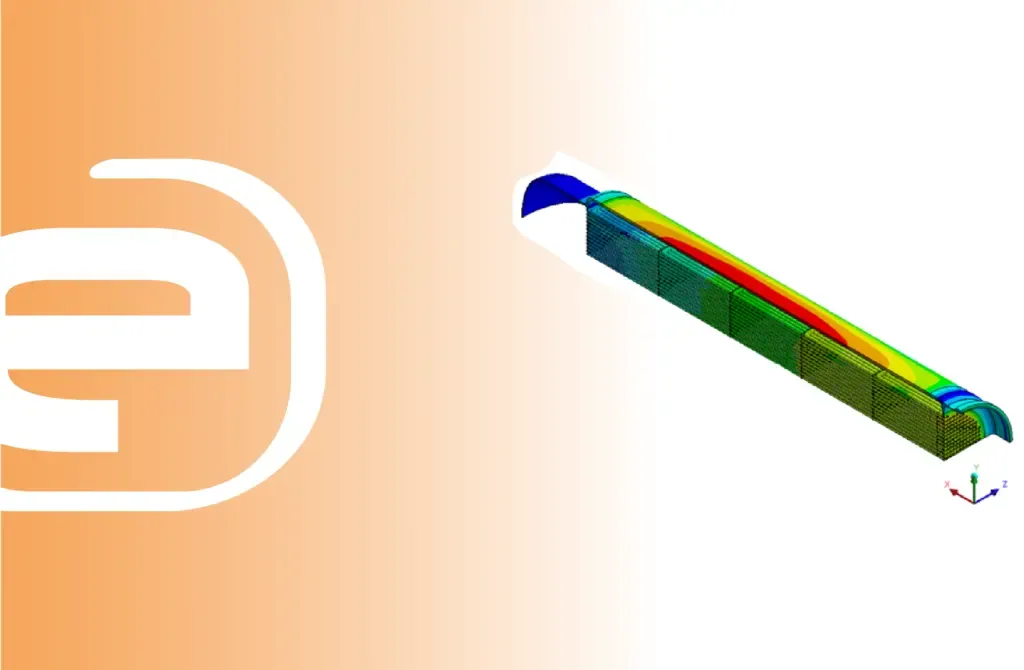
The energy transition towards a more sustainable model is one of the main challenges we currently face. The ambitious decarbonization goals aim to reduce emissions and transform energy supply into a more sustainable model, shifting from a sole reliance on fossil fuels to integrating various renewable energy sources. One of the key tools enabling this […]
Bolted Joint Design in Solar Structures
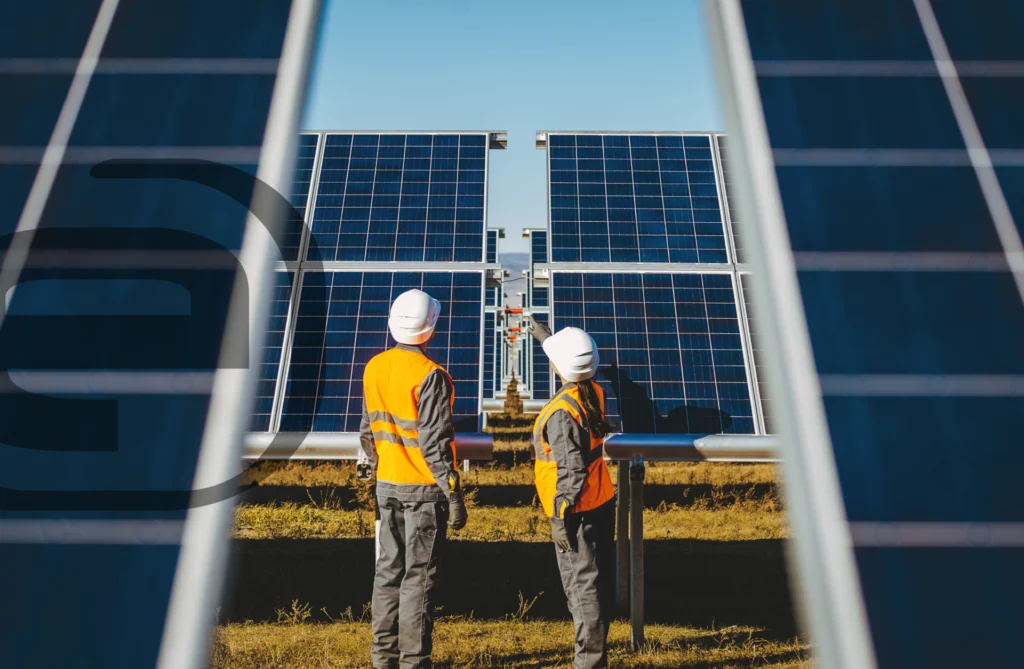
In the field of structural engineering — particularly in photovoltaic applications — the design and calculation of bolted joints in solar structures is a critical aspect that cannot be overlooked. It is essential to ensure structural integrity and stability under normal operating conditions, as well as occasional or even accidental situations. Photovoltaic structures are exposed […]
Predictive Assessment of Britle Fracture Failure in Hydrocarbon Reactors
In the Oil & Gas industry, and in the particular case of hydrocarbon reactors, equipment subjected to high operating pressures and temperatures, the selection of the material is mainly oriented to the use of 2 1/4 Cr-1Mo steels due to the high performance of the material at a mechanical level, since, compared to other steel […]
Thermal stratification in cryogenic LNG pipelines
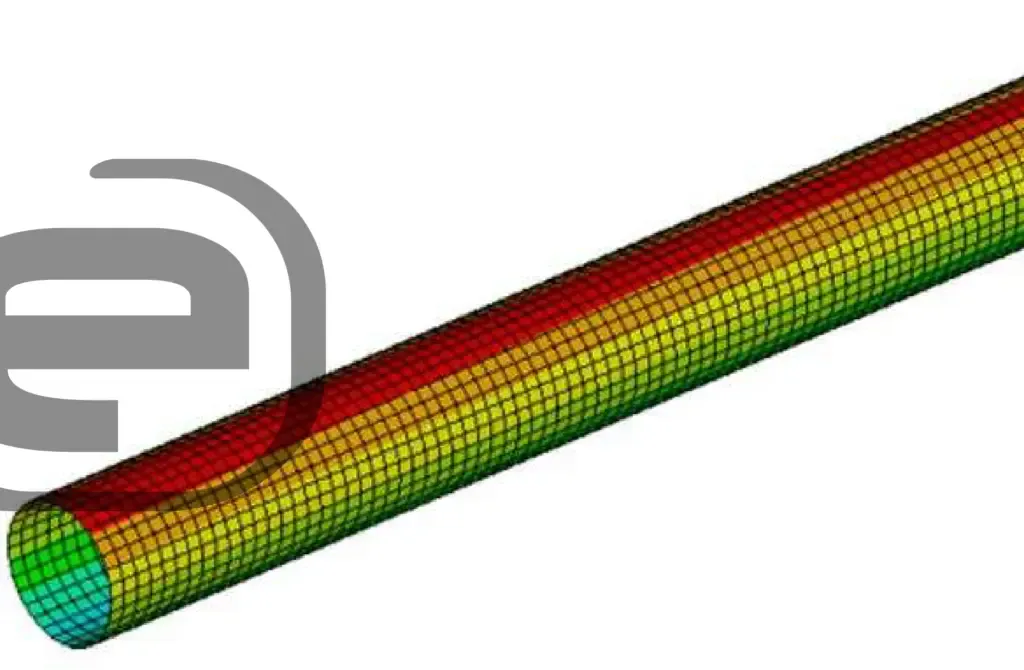
Thermal stratification in cryogenic LNG lines, also known as the banana effect, occurs when there is a significant thermal difference between the bottom and top of a pipe. In the day-to-day running of a terminal, the temperature in the lines is relatively uniform, so the associated thermal stresses will not compromise the structural integrity of […]
Changes in the evaluation of buckling protection ASME VIII div 2 edition 2023
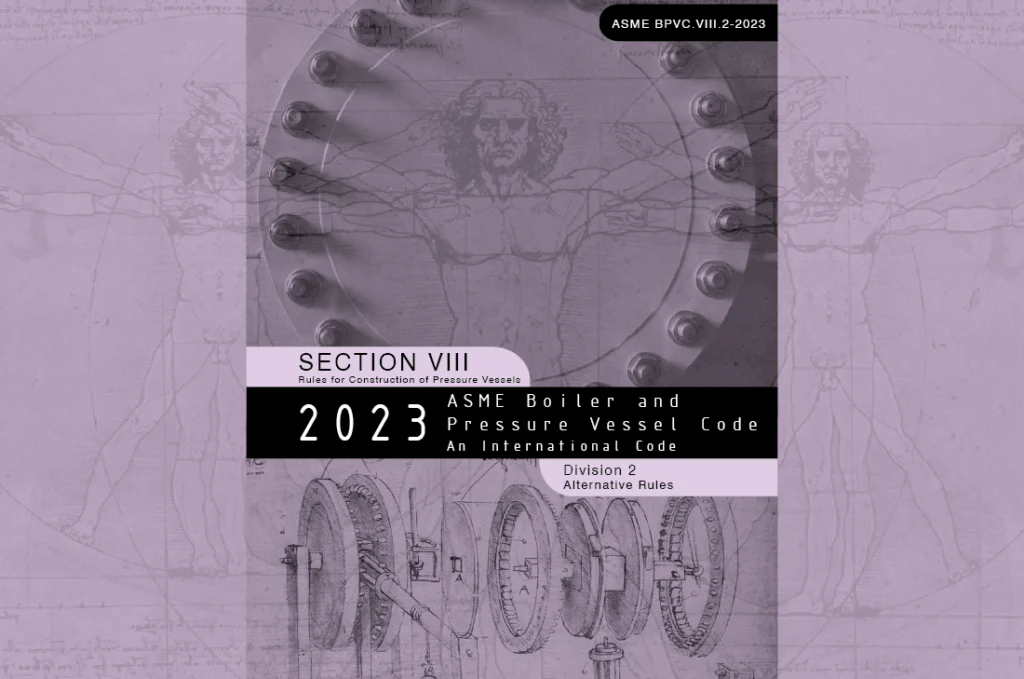
One of the changes introduced in the latest edition of the ASME VIII Div 2 standard has been the way to assess protection against buckling failure when designing by analysis. Section 5.4 of the standard has been completely rewritten since the validation method proposed in previous editions was not reliable in the case of plastic […]
Revolutionizing the Industry: The Power of Integrating Machine Learning and the Digital Twin with Advanced Simulation
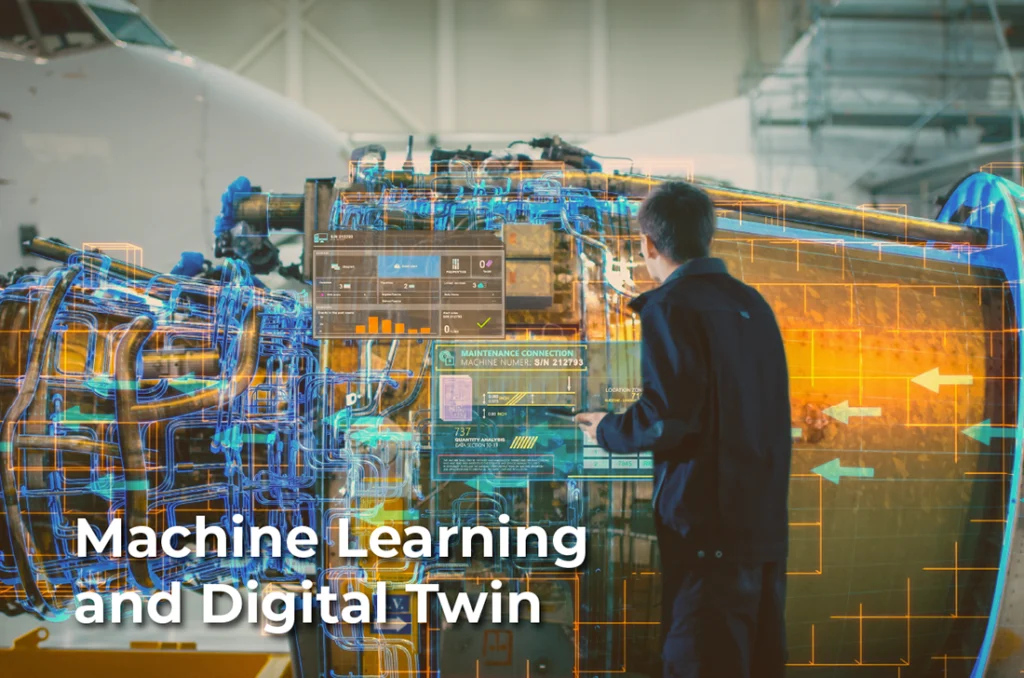
Machine Learning(ML) or automatic learning is a branch of artificial intelligence that allows computers to learn autonomously and perform certain actions or tasks without the need for specific programming. This is achieved through the development of algorithms that enable pattern learning and, consequently, decision-making. Figure 1: Machine Learning Workflow The concept of machine learning emerged […]