Contactar
Business areas

Data Centers

Engineering, development and advanced solutions for data centers with fast deployment, firm and competitive power and a minimal footprint, integrating power, thermal management and efficiency in future-ready architectures.

View the full presentation ↗

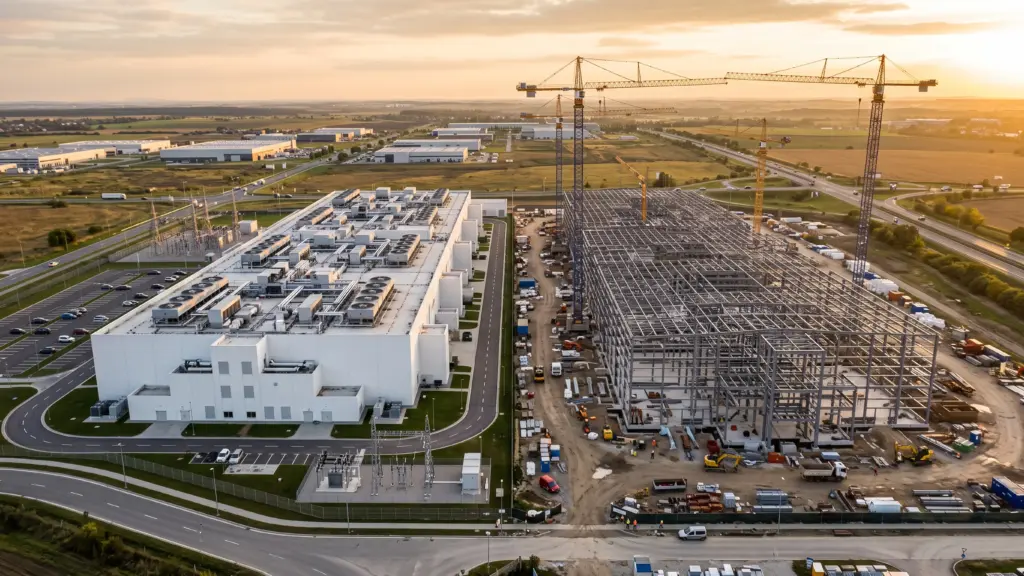
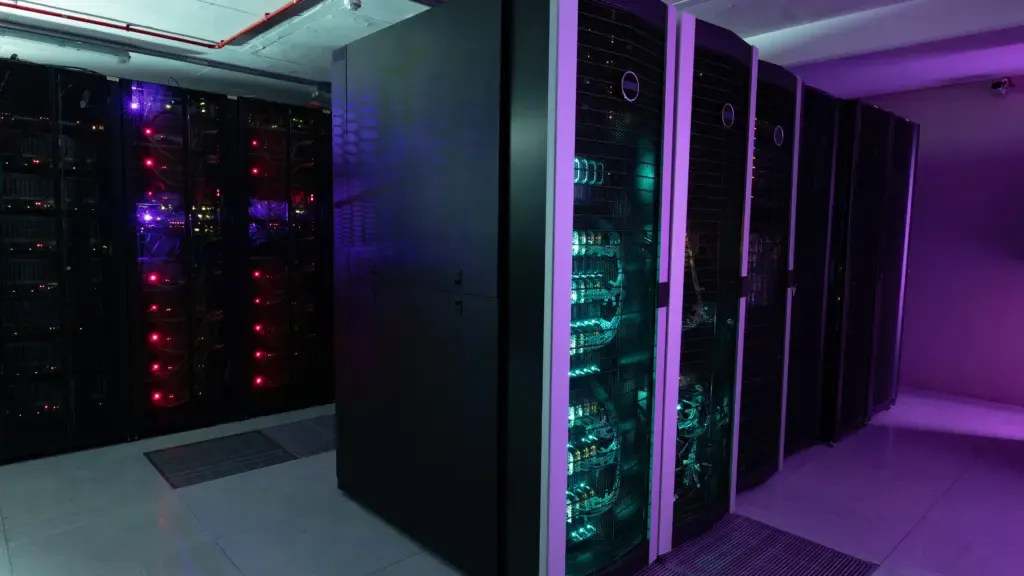
CADE develops, designs and integrates AI and HPC data centers with firm power, thermal management and heat reuse, from powered land to commercial operation.

Developers who need land with available power and a firm grid-connection date; hyperscale, colocation and AI operators deploying high-density racks; funds assessing the technical risk of a project; and industries that can make use of the data center’s waste heat.

Clients
Data center developersHyperscale and colocationAI and HPC operatorsInfrastructure fundsLand and power owners
Sectors
AI and HPC data centersPower generation and gridsHydrogen and renewable gasIndustry with heat demandDistrict heating
Solutions

Data center services

We cover the project with five services, from design to carbon capture. In energy and thermal management we also supply the components, directly or with technology partners.

Diseño de centros de datos de alta densidad para IA y HPC

Design

We design high-density data centers for AI and HPC with decisions that set their availability, efficiency and capacity to grow without rebuilding from the very start.

  • Concept design
  • Detailed design (RIBA Stage 4)
  • Uptime Institute standards: Tier III and Tier IV
  • High-density architectures for AI and HPC
  • WUE, PUE and CUE optimization
Desarrollo y gestión de proyectos de centros de datos

Project development and management

We secure land and power early and organise permitting to shorten the path until the facility starts operating.

  • Early-stage development (greenfield)
  • Land with secured power (powered land)
  • Ready-to-build project (RTB)
  • Commercial operation (COD)
  • Fast-track permitting
  • Project engineering
  • Project management
Energía para centros de datos con generación en el emplazamiento

Energy

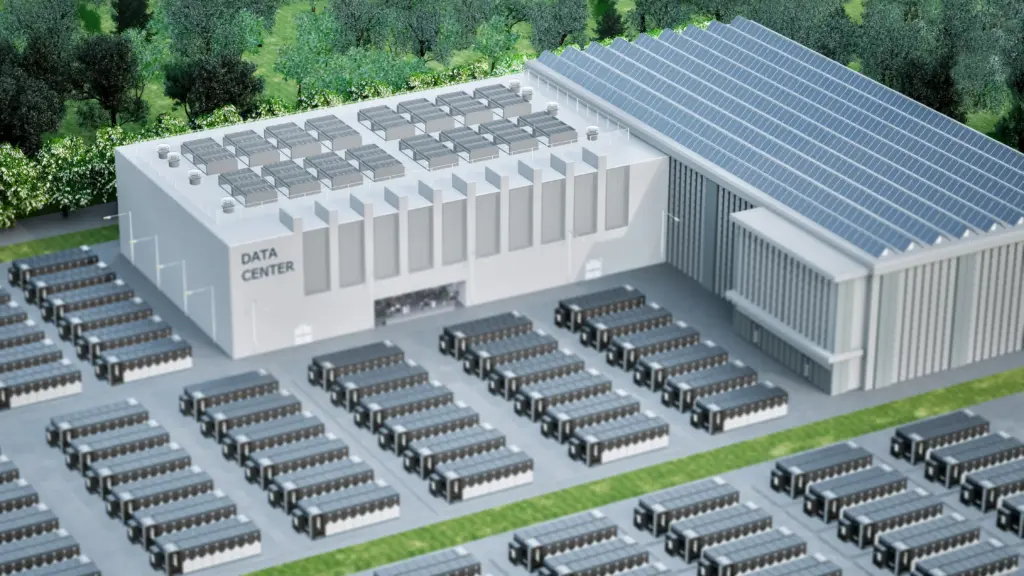
Firm power around the clock with on-site generation, grid-connected or off-grid, and control over the cost and origin of energy.

  • Off-grid and grid-connected supply
  • Photovoltaics, including high-density PV
  • Agrivoltaics
  • Batteries (BESS)
  • Fuel cells
  • Gas engines
Gestión térmica y refrigeración líquida en centros de datos

Thermal management

We remove heat without consuming water and reuse it instead of dissipating it, reducing the facility’s consumption and turning it into a resource for nearby processes and facilities.

  • Direct-to-chip liquid cooling (DLC)
  • Free cooling and dry cooling
  • High-temperature architectures
  • Heat pumps
  • Thermal energy storage (TES)
  • Heat recovery and reuse
  • Industrial and municipal heat synergies
Computación de carbono negativo en centros de datos

Carbon-negative computing

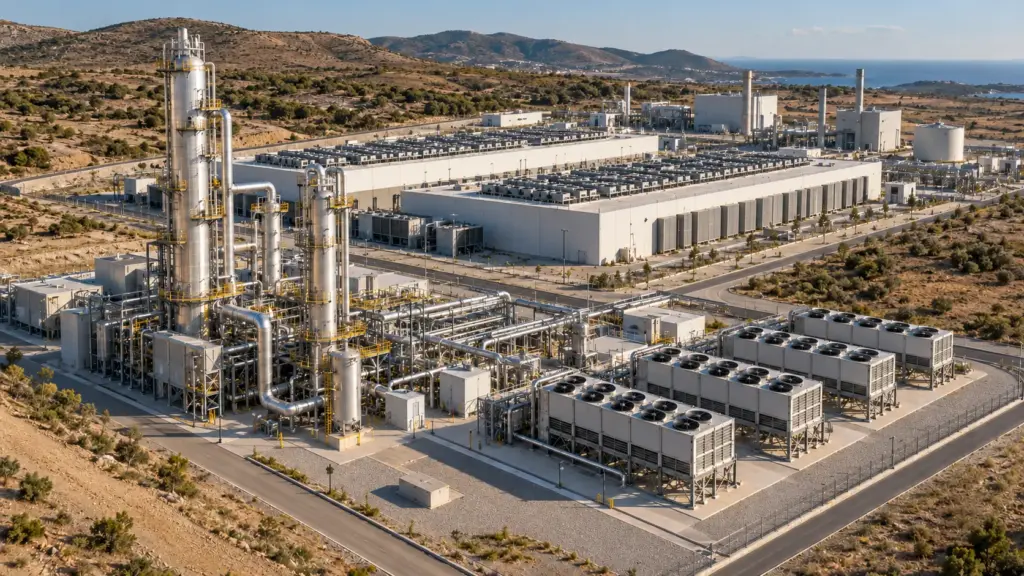
Carbon capture at source, direct air capture and production of green molecules and materials so that the data center removes more carbon than it emits.

  • Carbon capture and storage (CCS)
  • Direct air capture (DAC)
  • Hydrogen (H₂) integration
  • Renewable gas: biogas, biomethane and advanced biofuels
  • Green molecules and materials
Project · 3D Tour

Data center campus with on-site generation

Preliminary design of a campus of five data centers with 240 MW IT, powered by fuel cells, with a photovoltaic substation and a gas regulating and metering station. The 3D model tours the actual site and shows the technical data sheet for each building.

Articles

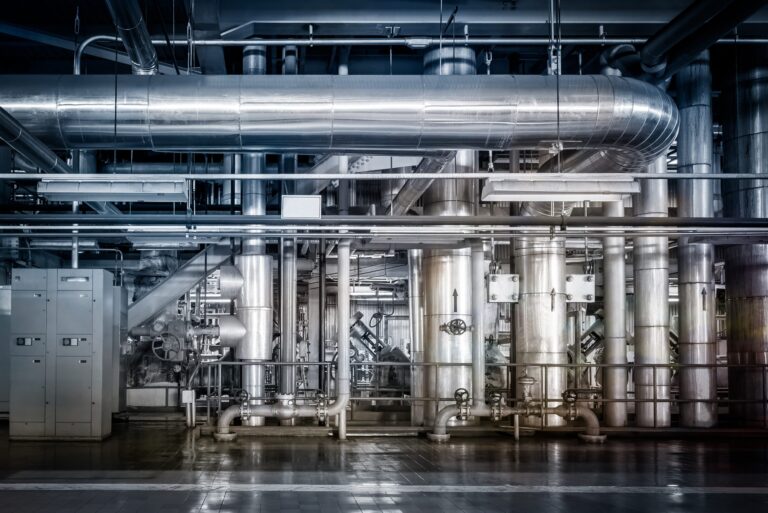
ASME B31.12: flexibility analysis of hydrogen piping

ASME B31.12 is the ASME code for hydrogen piping and pipelines: which materials it allows, how it accounts for embrittlement and what it requires in flexibility analysis.
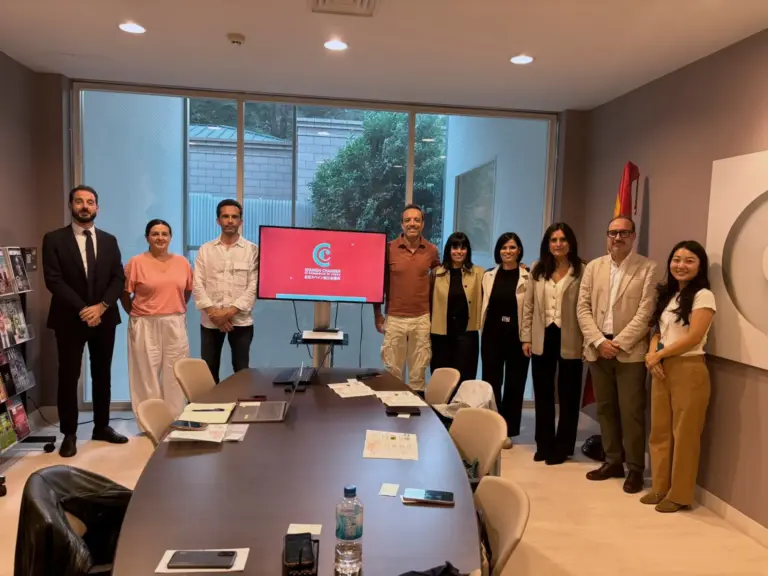
Trade mission to Japan participants at the Spanish Chamber of Commerce in Tokyo

CADE joins the Albacete Chamber of Commerce’s trade mission to Japan

From October 19 to 23, Miguel Ángel García presents CADE SCWG in Tokyo to potential Japanese industrial partners, as part of the Albacete Chamber of Commerce trade mission.
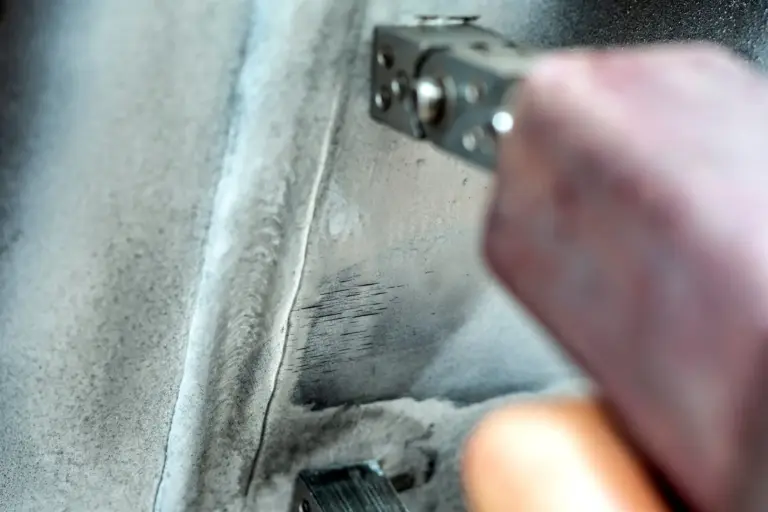
Critical crack size: cracks next to a weld detected by magnetic particle testing during equipment inspection

Integrating Critical Crack Size and Crack Growth into Inspection Plans and Strategies

How to integrate the critical crack size and crack growth, according to Part 9 of API 579-1/ASME FFS-1, into the inspection plans of critical equipment: numerical simulation, J-integral and FAD diagrams.
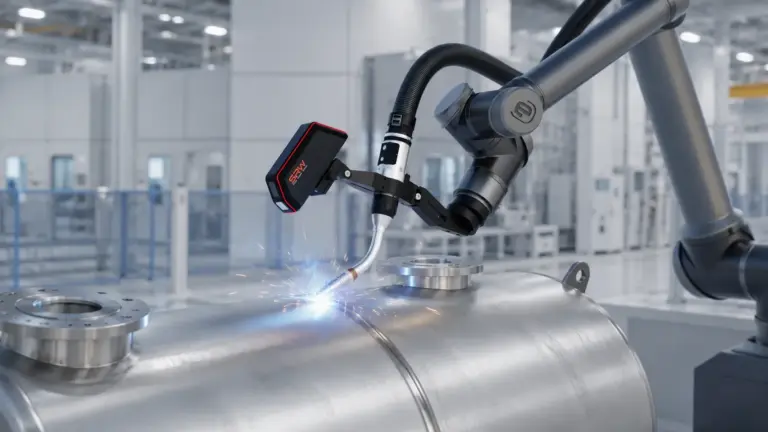
Tolerancias y deformaciones en soldadura robotizada

Tolerances in robotic welding: limits and solutions

Manufacturing tolerances, assembly errors and thermal distortion can shift the joint away from the programmed path. Causes and how to compensate for them.
A data center project under development or in design?

Describe your case and a CADE specialist will review it.