Contactar
Business areas

Thermal Energy Storage

CADE designs and integrates thermal energy storage systems based on solids, molten salts and liquids to supply process heat and make use of variable renewable generation.

storage technologies
0
countries with thermal energy storage projects: Spain, Greece and Cyprus
0
first solid-media storage system in industrial operation
2018

Thermal energy storage accumulates energy as heat when it is available and delivers it when the process requires it.

Industries that use steam, hot air or thermal oil and want to replace fossil fuels; photovoltaic and wind developers that need to use energy that is currently curtailed; concentrated solar power plants extending their operating hours; and operators that require flexibility in the face of grid variability.

Agri-food industryProcess industryCSP plantsRenewable developersEnergy operatorsResearch centers
Solutions

Storage solutions

Thermal energy storage decouples the production of heat or electricity from its consumption. CADE applies it to two problems: decarbonizing process heat and making use of variable renewable generation.

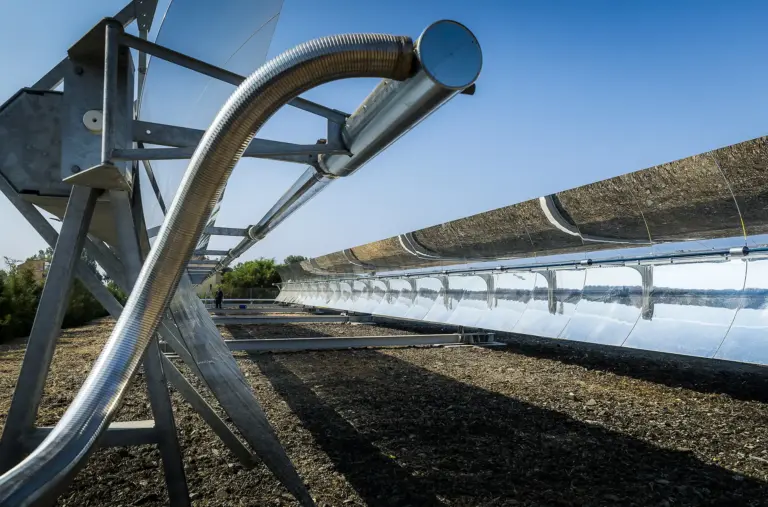
Steam and process heat piping in an industrial plant

Industrial heat

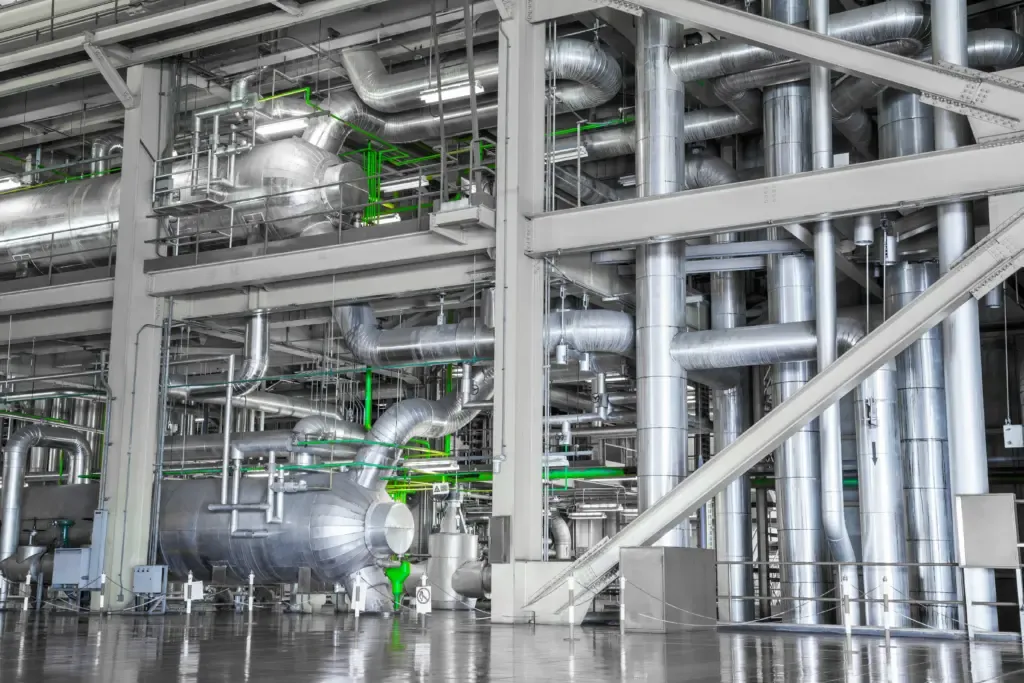
A large share of industrial heat is produced from fossil fuels at the moment it is consumed. CADE designs systems that store heat and deliver it to the process when required, as steam, hot air or thermal oil at up to 600 °C.

Steam, hot air and thermal oil · Continuous and batch processes · Trigeneration and ORC cycles · Agri-food and process industries

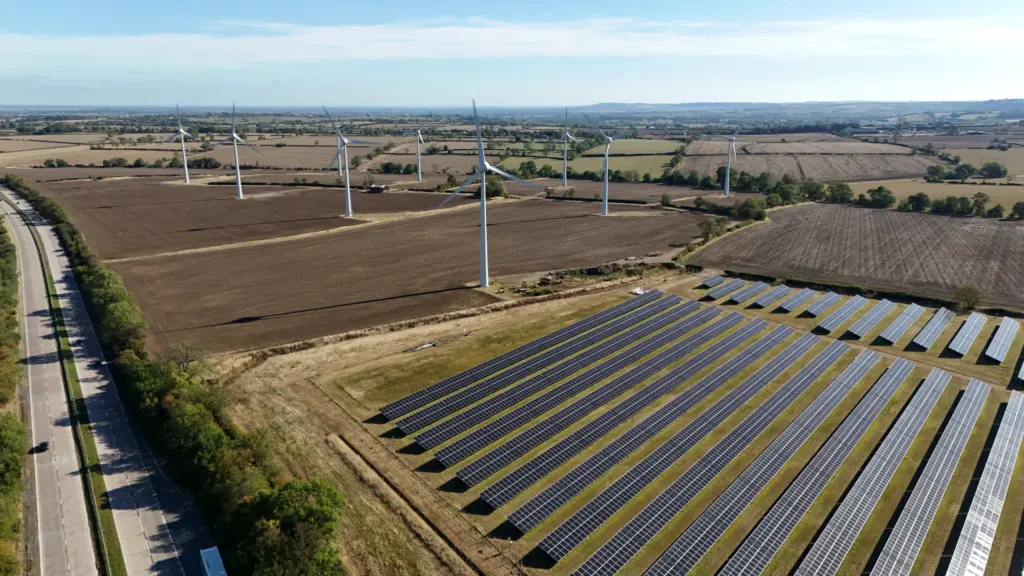
Photovoltaic plant and wind farm: renewables integration with thermal energy storage

Renewables integration

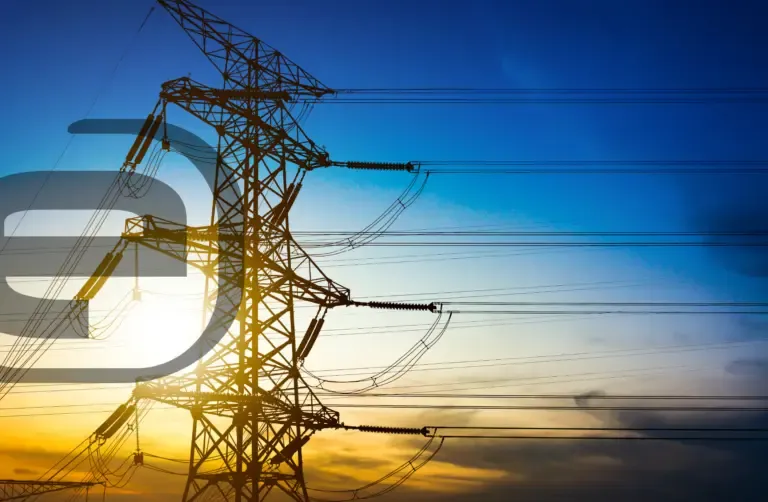
Photovoltaic and wind generation does not match demand, and part of it is curtailed. CADE integrates thermal energy storage with direct electrical charging (power-to-heat) from photovoltaic, wind or the grid to use that energy and provide flexibility to the system.

Power-to-heat · Curtailment reduction · Hybridization with photovoltaic and wind · Grid flexibility · CSP plants

Technologies

Storage technologies

The choice of storage medium depends on the operating temperature, the process fluid and the charge and discharge profile. CADE works with four technologies.

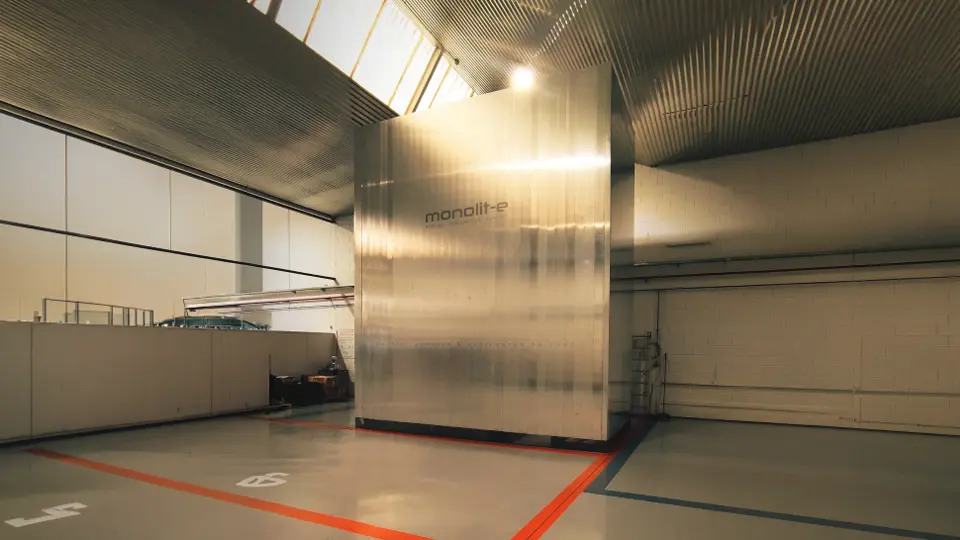
Solid-media thermal energy storage module installed in an industrial building

Solid-media storage

Concrete and mineral aggregates as the storage medium, charged from heat transfer fluids or directly from electricity. Technology developed by CADE, in industrial operation since 2018.

  • Concrete
  • Mineral aggregates
  • Thermal or electrical charging
  • Discharge at up to 600 °C
  • …
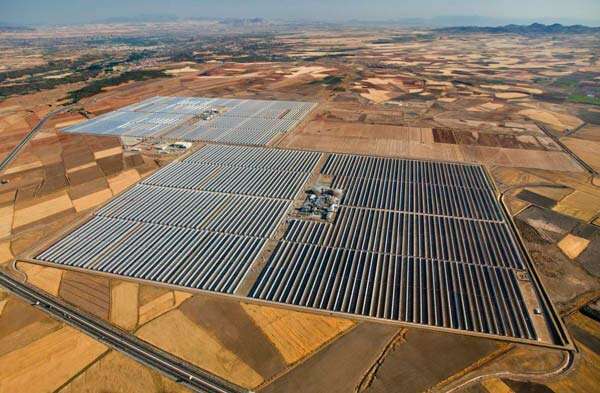
Renewable energy engineering solar power plant - ingeniería de energías renovables

Molten salt storage

Molten salt systems in concentrated solar power plants and in industrial processes, building on CADE’s experience in the design, integrity and operation of CSP plants.

  • Molten salts
  • CSP plants
  • Process heat
  • …

Liquid-media storage

Pressurized water and thermal oil as the storage medium for medium- and low-temperature applications.

  • Pressurized water
  • Thermal oil
  • Medium and low temperature
  • …

Smart storage

Predictive control and monitoring that match charge and discharge cycles to process demand and to the availability of the source.

  • Machine learning
  • IoT
  • Energy management systems (EMS)
  • Digital twins
  • …
Life cycle

From integration study to operation

Sizing a thermal energy storage system depends on the process demand profile and on the charging source. CADE is involved in every phase, and data from systems in operation feed into the design of the next ones.

01

Feasibility

Analysis of thermal demand profiles and of the charging source, selection of the storage technology, sizing in power and capacity, and techno-economic study (CAPEX-OPEX).

02

Engineering

Basic and detailed engineering of the storage module, of the charging and discharging systems and of their integration with the process. Thermal modeling and simulation of cyclic behavior.

03

Construction

Modular fabrication, supervision of erection and instrumentation, and protocols for commissioning and for charge and discharge testing.

04

Operation

IoT monitoring, predictive control using machine learning and a digital twin to match charge and discharge cycles to process demand and to the availability of the source.

Technical articles

Do you have a plant in design, under construction or with a problem in operation?