News
Fatigue Analysis by Finite Element Method of Process Equipment
OBJECTIVE For this project, a major manufacturer of process equipment and pressure vessels commissioned CADE to perform the fatigue validation of the design of a reactor intended for installation in a petrochemical plant. The validation of the mechanical design, previously developed by the manufacturer, was carried out in accordance with
Vibration Problems in Process Units
Problem Definition Vibration problems in process units are a common concern in industrial building structures that house dynamic equipment such as pumps, compressors, agitated reactors/tanks, centrifugal separators, thin-film evaporators, and coke drums. These vibrations can reach significant amplitudes, sometimes even visible to the naked eye, potentially causing structural damage and
The Need for Automation in the Area of Mechanics and Simulation
Modern industry demands efficiency, precision and speed, especially in the field of mechanical engineering and simulation. Automation has emerged as a crucial answer to these demands, and tools like Python and IronPython are leading this revolution, particularly in environments like ANSYS. In this post, we’ll explore why automation is essential
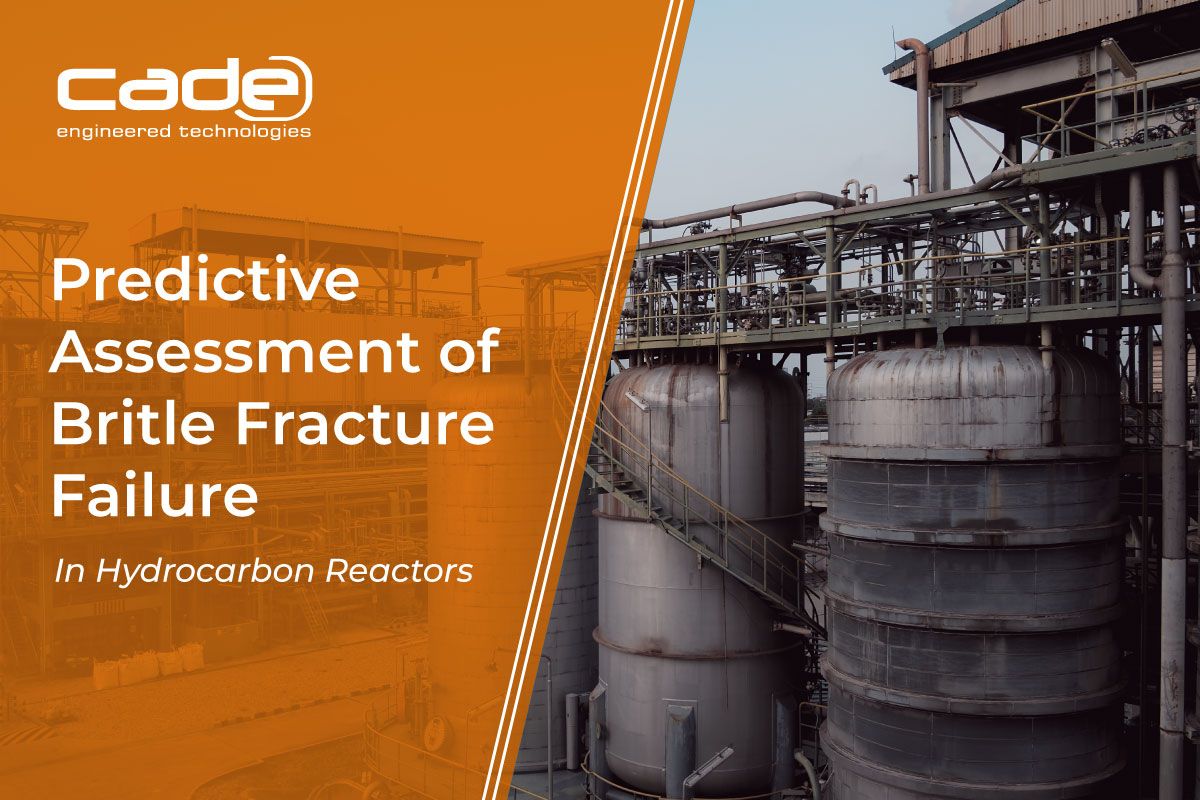
Predictive Assessment of Britle Fracture Failure in Hydrocarbon Reactors
In the Oil & Gas industry, and in the particular case of hydrocarbon reactors, equipment subjected to high operating pressures and temperatures, the selection of the material is mainly oriented to the use of 2 1/4 Cr-1Mo steels due to the high performance of the material at a mechanical level,
How using green oxygen can reduce the costs of green hydrogen
Green hydrogen, produced by electrolysis of water, is a promising option for the transition to a more sustainable and decarbonised energy economy. In this process, electricity, ideally obtained from renewable sources such as solar photovoltaics, is used to break down water (H2O) into hydrogen (H2) and oxygen (O2). This hydrogen
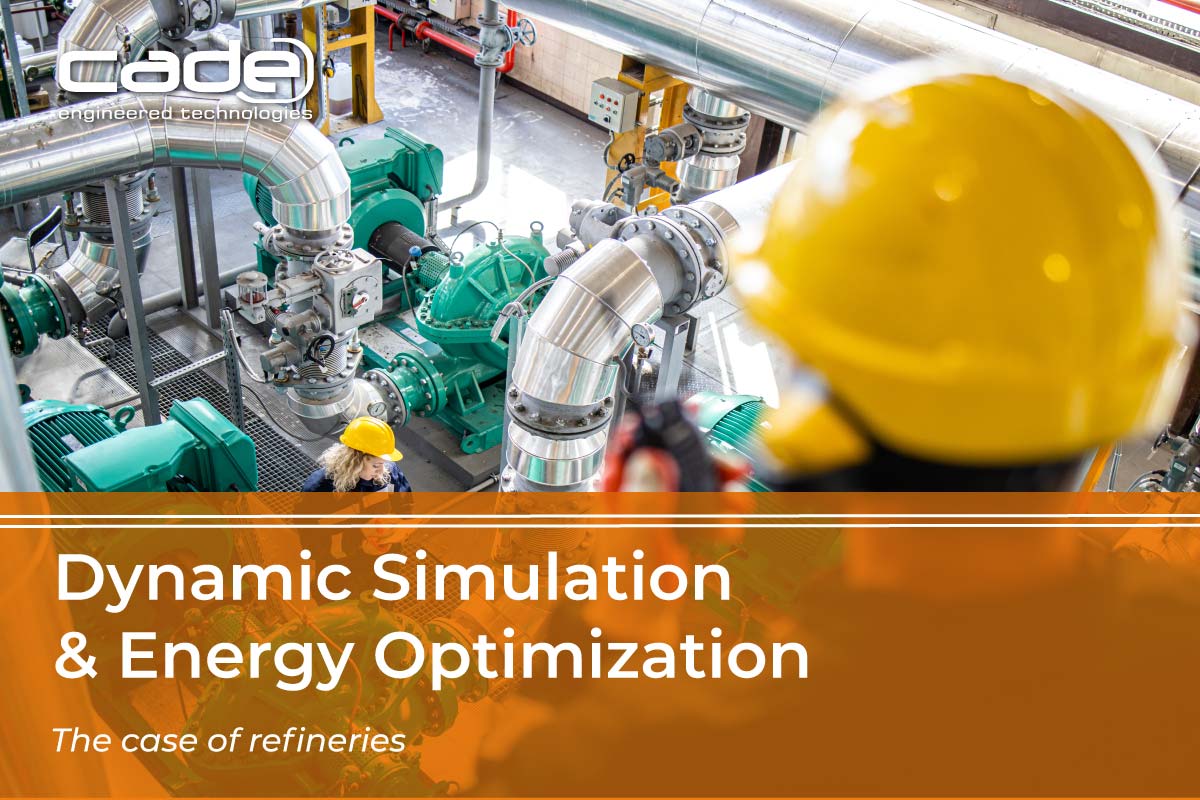
Dynamic Simulation and Energy Optimization in Refineries
In today’s competitive industrial environment, refineries are constantly looking for ways to improve their energy efficiency and reduce operating costs. Dynamic simulation and energy optimization are key tools that can lead to significant energy savings and more sustainable operation. Dynamic simulation refers to the use of mathematical and computational models
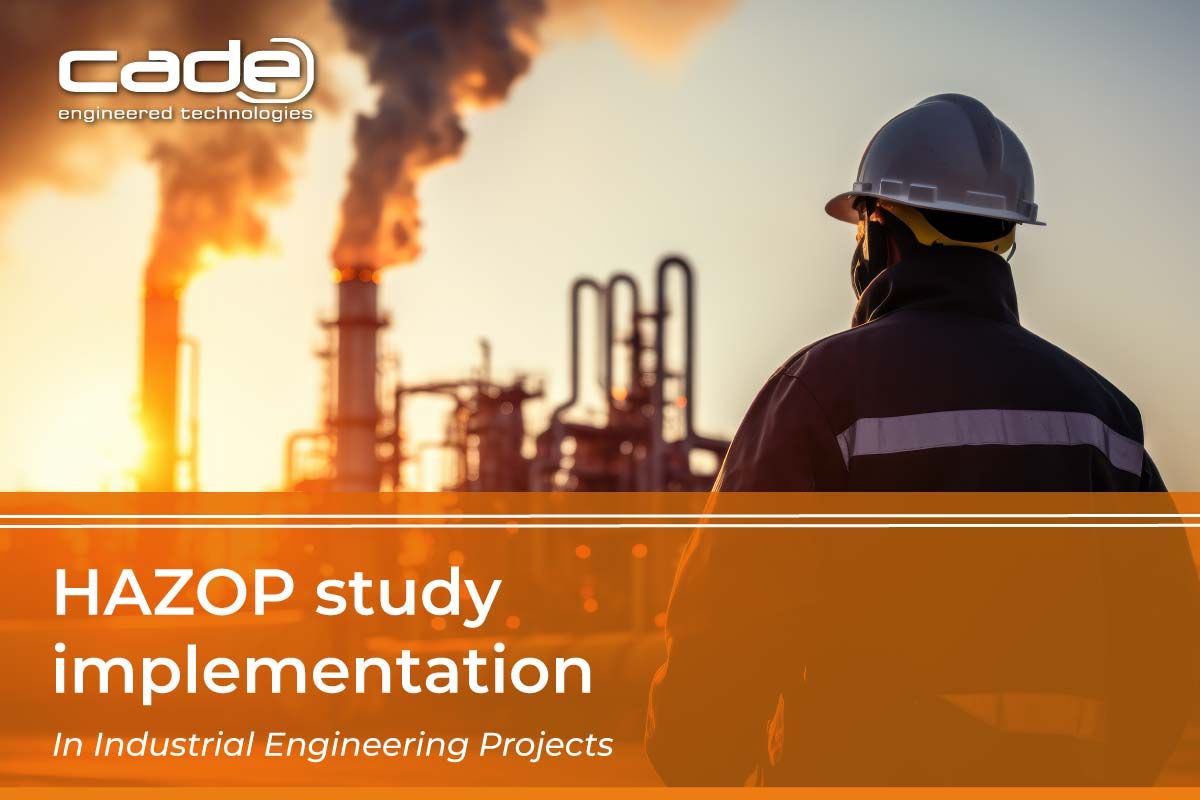
HAZOP Study in industrial engineering projects
Operational safety is a fundamental pillar in process engineering. A Hazard and Operability Study (HAZOP) is a systematic and rigorous methodology used to identify and evaluate potential risks in process facilities. The implementation of a HAZOP is critical in the basic and detailed engineering stages, as it lays the foundation
CADE’s new office in Madrid
Great news! Our office in Madrid has moved to a new location at C/Raimundo Fernández Villaverde, 53. This change is a reflection of our constant growth and our commitment to innovation. Together with our headquarters and the Innovation Factory, both in Albacete, the new Madrid office, with greater capacity than
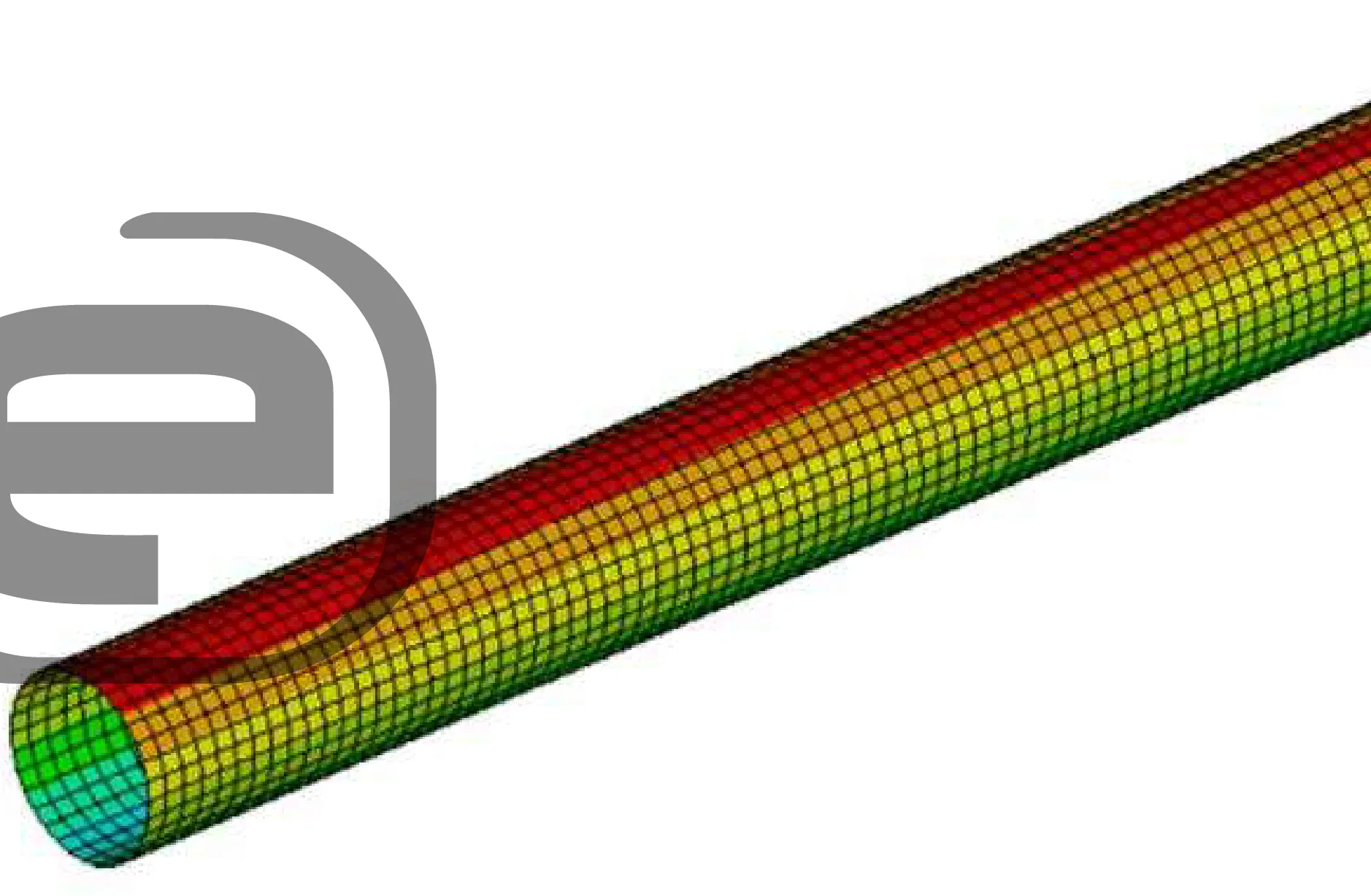
Thermal stratification in cryogenic LNG pipelines
Thermal stratification in cryogenic LNG lines, also known as the banana effect, occurs when there is a significant thermal difference between the bottom and top of a pipe. In the day-to-day running of a terminal, the temperature in the lines is relatively uniform, so the associated thermal stresses will not