

ATEX Study: Smart Prevention and Industrial Strategy in Explosion-Risk Environments

In industrial environments where explosive atmospheres may form—due to the presence of gases, vapors, mists, or combustible dusts—conducting an ATEX study is not only a legal requirement but also a strategic practice to protect people, ensure operational continuity, minimize environmental impact, and strengthen corporate image. A systematic evaluation of these risks allows companies to anticipate […]
Explosive Atmospheres: Concept, Classification, and ATEX Parameters
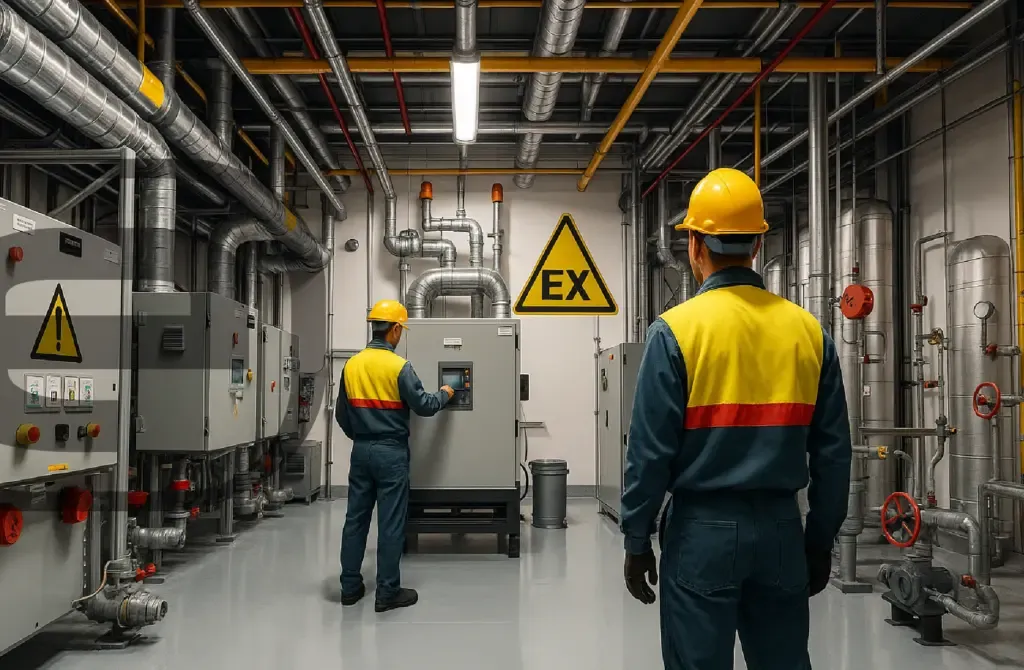
What is an Explosive Atmosphere? An explosive atmosphere is defined as a mixture of air with flammable substances (gases, vapors, mists, or dusts) which, under normal conditions of pressure and temperature, can ignite upon contact with an ignition source. This mixture contains a sufficient concentration of the flammable substance in the air to propagate rapidly […]
Predictive Maintenance in Energy Plant Assets: Ensuring Efficiency

Predictive maintenance is a key strategy in industrial asset management, both in refineries and solar thermal plants. Unlike preventive maintenance, which is performed at fixed intervals, condition-based maintenance is carried out only when data indicates it is necessary. This optimizes resource use and reduces downtime. Predictive maintenance relies on monitoring the condition of equipment, allowing […]
Fatigue Analysis by Finite Element Method of Process Equipment
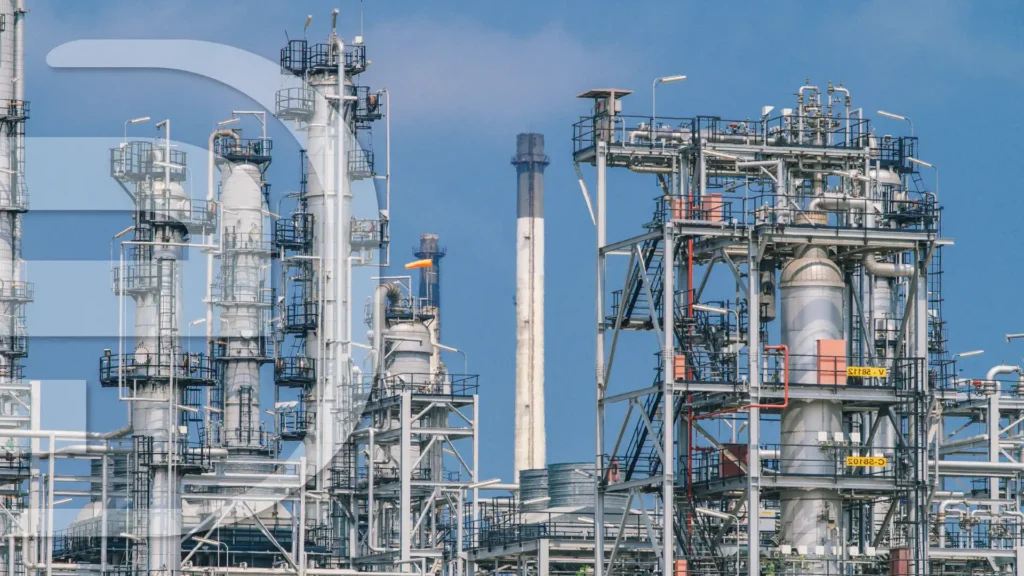
OBJECTIVE For this project, a major manufacturer of process equipment and pressure vessels commissioned CADE to perform the fatigue validation of the design of a reactor intended for installation in a petrochemical plant. The validation of the mechanical design, previously developed by the manufacturer, was carried out in accordance with ASME VIII Div.2 (“Fatigue Assessment […]
Leak Prevention in Hydrogen Systems: A Comprehensive Approach to Industrial Safety
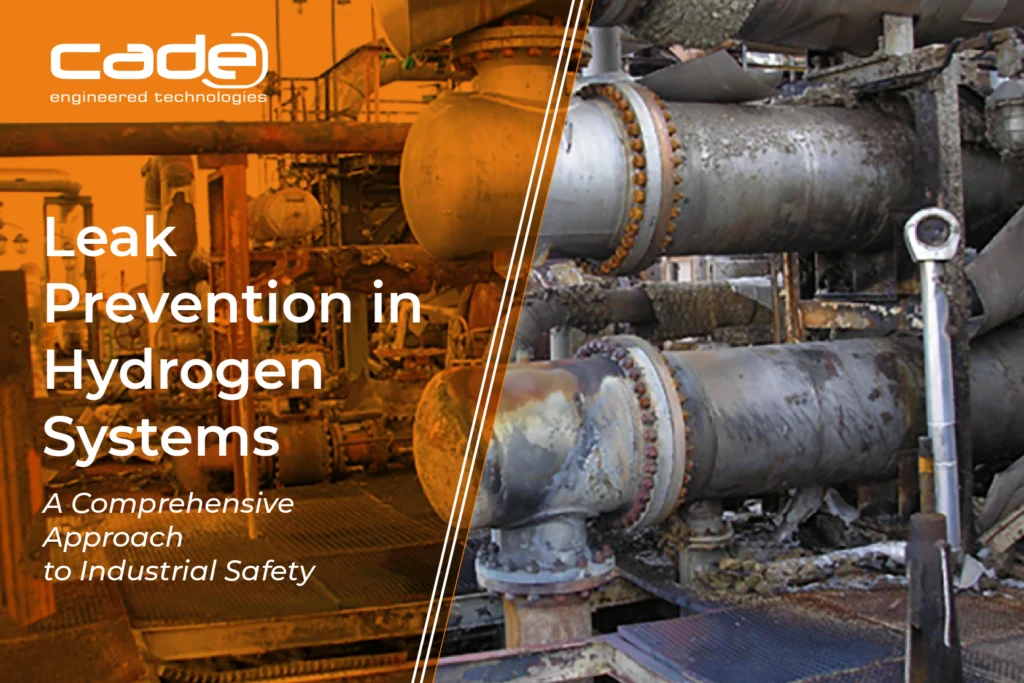
Safety in hydrogen installations is a critical aspect in the modern energy industry. Throughout history, numerous incidents have demonstrated the serious consequences that can result from leaks in high-pressure systems, especially when dealing with flammable gases such as hydrogen, which have been recorded (h2tools.org) and analysed in detail forming a database of causes and lessons […]
Vibration Problems in Process Units
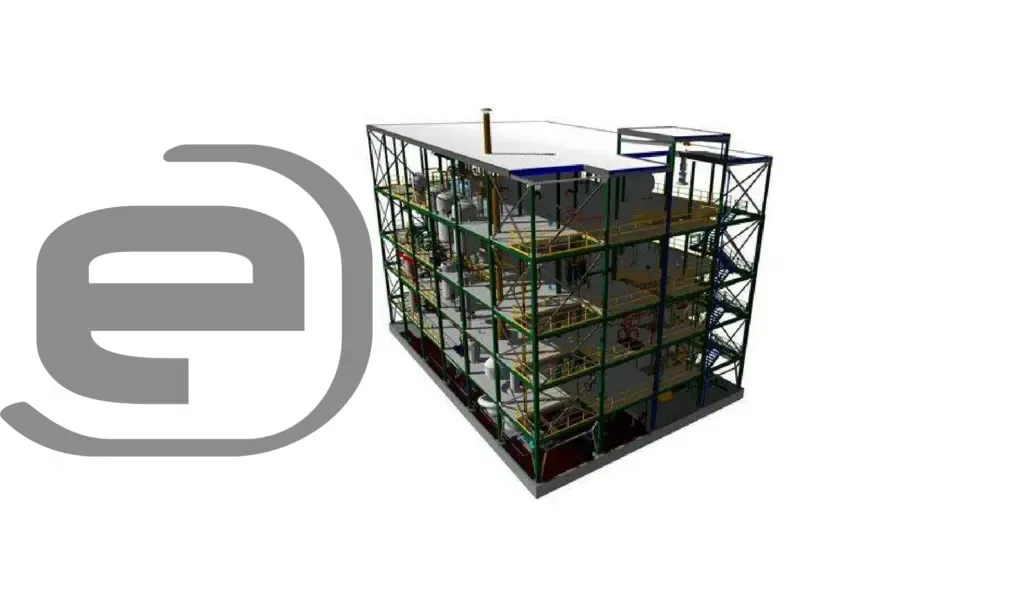
Problem Definition Vibration problems in process units are a common concern in industrial building structures that house dynamic equipment such as pumps, compressors, agitated reactors/tanks, centrifugal separators, thin-film evaporators, and coke drums. These vibrations can reach significant amplitudes, sometimes even visible to the naked eye, potentially causing structural damage and affecting operational efficiency. To correct […]