

STRESS ANALYSIS OF PIPES WITH RATIO D / t> 100
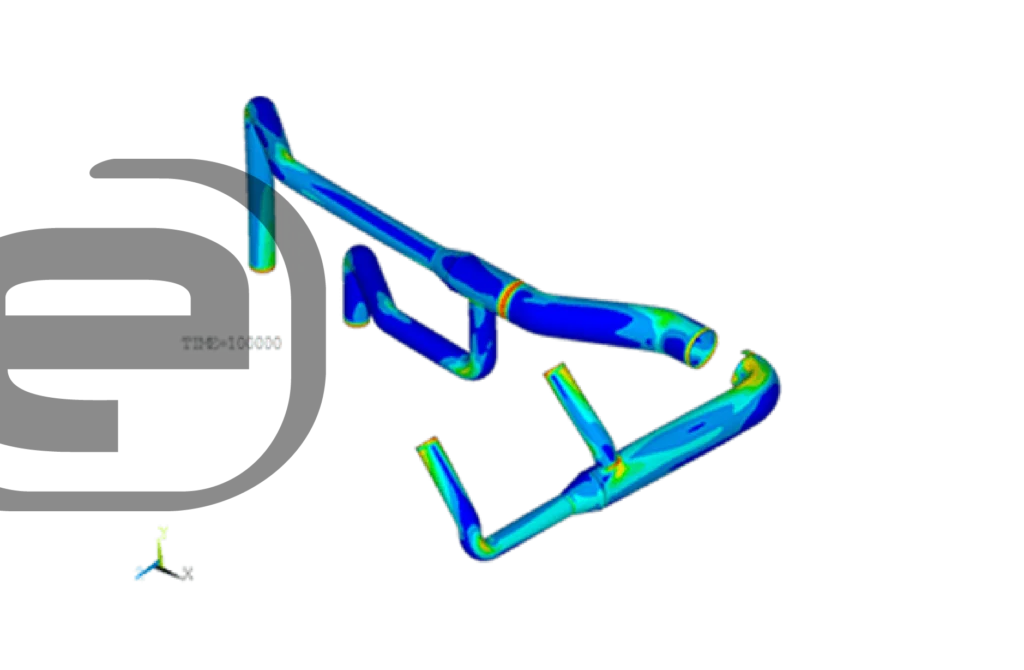
On certain occasions, during the development of projects where large diameter pipes are involved, scenarios arise in which the diameter (D) / thickness (t) ratio is higher than 100. It is common to find this situation in systems with large diameter pipes that work at low pressure, in which the calculated thickness due to the […]
Fitness for service procedures for cracks like flaws
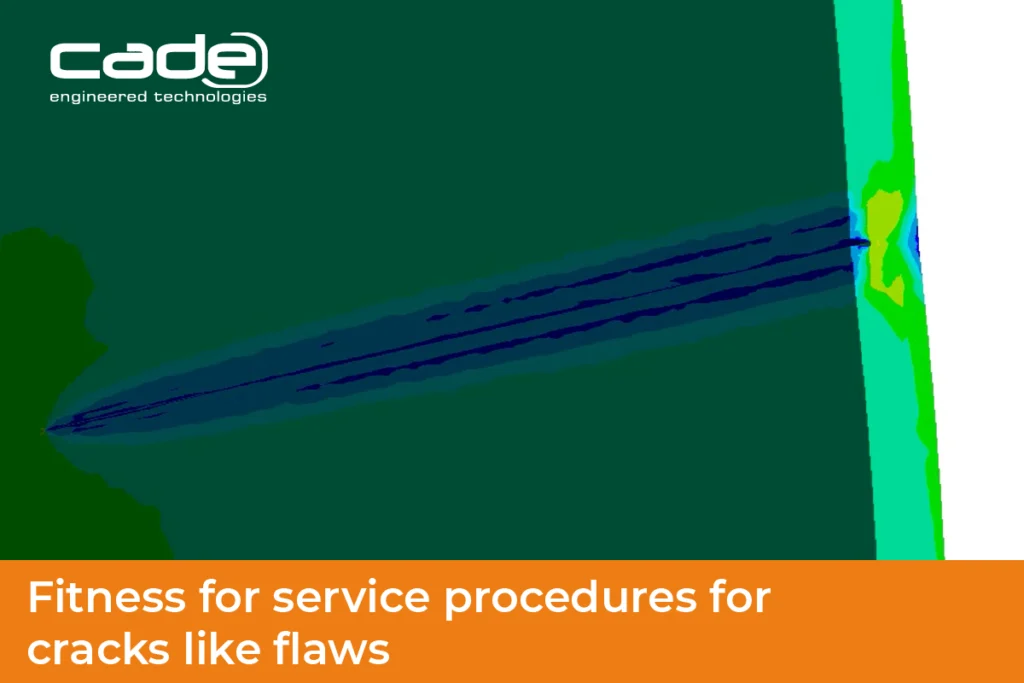
During the life cycle of many pressure vessels arise the necessity to maintain them in service after detecting crack-like flaws or delamination. For that, there are some methodologies that allow establishing a quantitative judgment about if it is possible to safely operate this equipment and also determine its remaining life until it must be repaired […]
Changes in the evaluation of buckling protection ASME VIII div 2 edition 2023
One of the changes introduced in the latest edition of the ASME VIII Div 2 standard has been the way to assess protection against buckling failure when designing by analysis. Section 5.4 of the standard has been completely rewritten since the validation method proposed in previous editions was not reliable in the case of plastic […]
Revolutionizing the Industry: The Power of Integrating Machine Learning and the Digital Twin with Advanced Simulation

Machine Learning(ML) or automatic learning is a branch of artificial intelligence that allows computers to learn autonomously and perform certain actions or tasks without the need for specific programming. This is achieved through the development of algorithms that enable pattern learning and, consequently, decision-making. Figure 1: Machine Learning Workflow The concept of machine learning emerged […]
What impact does the selection of the design code have on a pressure vessel? Advantages of Design by Analysis
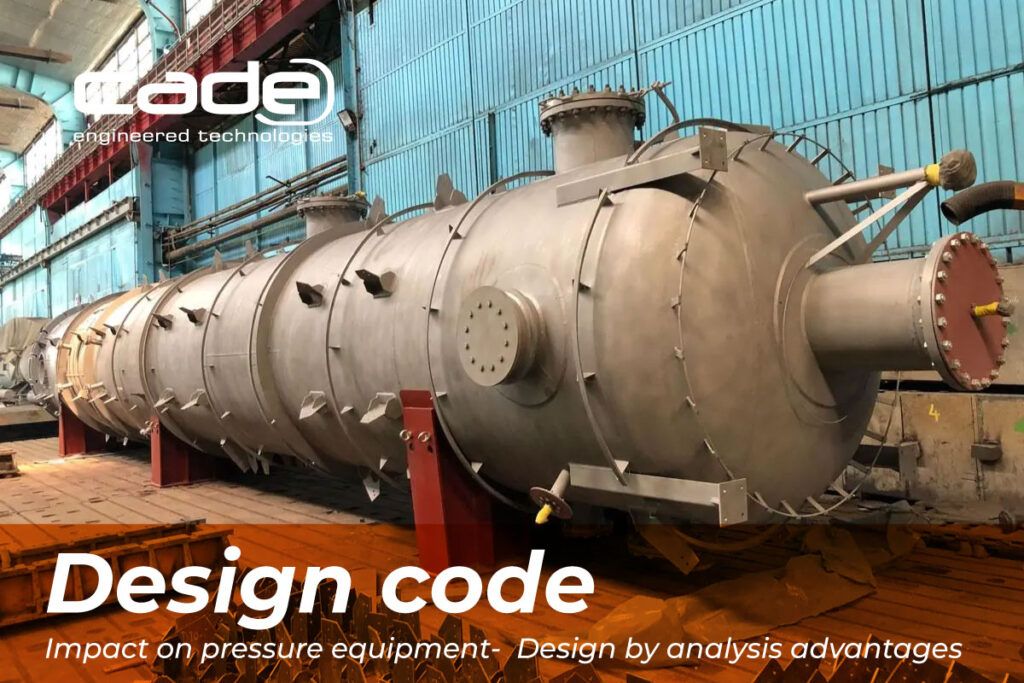
When designing a pressure vessel, the choice of the design code is one of the main decisions that must be made. Requirements of the standard should be considered, not only regarding the design conditions, but also manufacturing and inspection aspects. One of the most significant factors in this decision-making process is the potential material savings […]
Ensuring the integrity of the refractory in pressure equipment
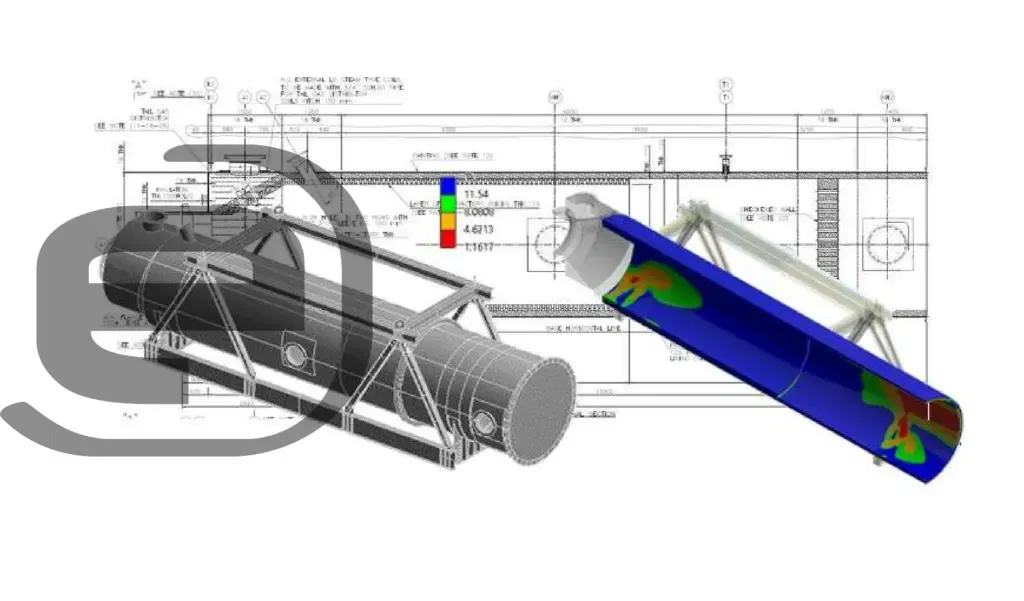
Pressure equipment manufacturers are routinely faced with strict strain limitations to prevent degradation or breakage of the equipment’s internal refractory during the transportation, lifting, and operating phases. The strict limitations imposed by the refractory suppliers are intended to avoid any type of damage to it, derived from excessive deformations or impacts on the equipment where […]