Contactar

Vibration Problems in Process Units

Problem Definition

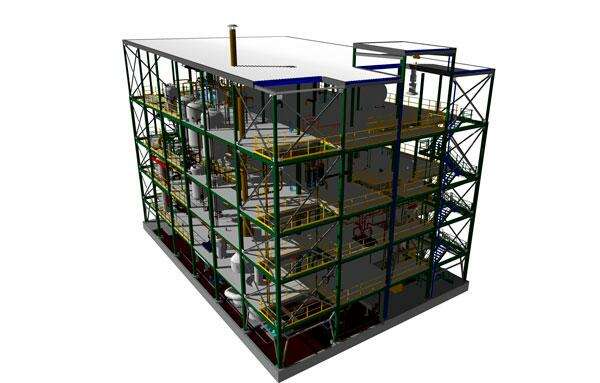
Vibration problems in process units are a common concern in industrial building structures that house dynamic equipment such as pumps, compressors, agitated reactors/tanks, centrifugal separators, thin-film evaporators, and coke drums. These vibrations can reach significant amplitudes, sometimes even visible to the naked eye, potentially causing structural damage and affecting operational efficiency. To correct or prevent these issues during the design phase, CADE deploys advanced dynamic analysis capabilities through finite element calculations.

Below is the dynamic analysis methodology using finite element analysis applied to a case study developed by CADE. The objective was to anticipate and limit potential vibration and resonance issues when installing new dynamic equipment in an existing process unit.


Main Objectives of the Vibration Analysis

  • Assess the influence of reinforcement structures for equipment support on existing structures through dynamic analyses.

  • Evaluate and analyze structural dynamics in the design of support structures for vibrating equipment.

Methodology

Modal Analysis: Frequencies and Resonance

  • Modal analysis is performed to obtain the natural frequency ranges of the structure, which are then compared with the excitation frequencies of each piece of equipment installed in the process building.

    Objectives:

    • Prevent the natural frequencies of the structure from coinciding with the operating frequencies of the equipment, thereby avoiding resonance phenomena and vibration issues.

    Results:

    • Identification of coincidences between natural frequencies and excitation frequencies.

    Conclusion:

    • If resonance is detected, a Harmonic Analysis is conducted.

Análisis de vibraciones en edificio de proceso con equipos dinámicos (vibration analysis on process units with dynamic equipment)

Harmonic Analyses

Several harmonic analyses of the structure are performed under two operating conditions:

  • Equipment fully loaded.

  • Equipment completely empty.

Harmonic loads are considered individually.
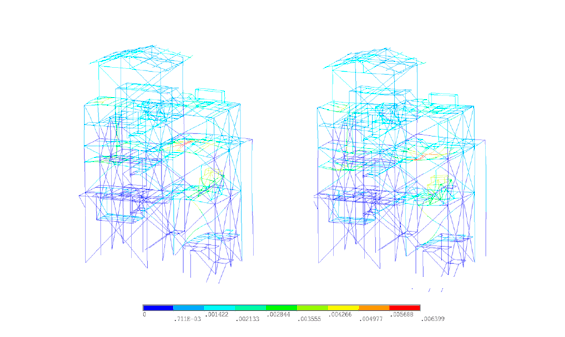
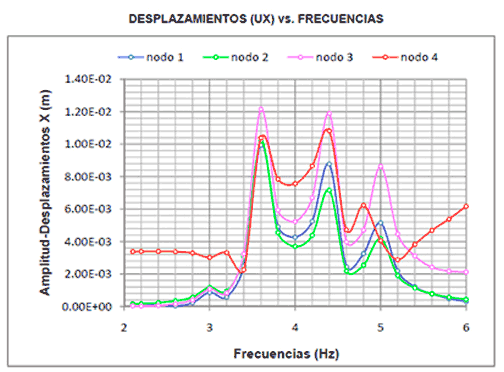
The objective is to determine the stress and deformation states of the structure within the operating frequency range of the equipment.
Displacement amplitude limitations are applied according to the code (CTE DB SE-A Steel).

Harmonic response analysis to predict the steady state dynamic response of a structure
Desplazamiento vs frencuencias en análisis armónico (harmonic analysis)

Conclusions

  • In response to the vibration issues of the installation, the causes and magnitude of the phenomenon are identified and quantified. Structural reinforcement solutions are proposed to mitigate the amplitude and severity of the problem.

  • Limitation of stress states and maximum displacements according to the code (CTE DB SE-A Steel).

About CADE Engineering Solutions:
CADE provides engineering, simulation, and consulting services focused on evaluating critical plant equipment and structures (including vibration issues) when performance is below expectations, failures occur, or when an assessment of mechanical integrity and remaining service life is required.

Análisis estructural de plantas fotovoltaicas: estructura de un seguidor solar vista desde debajo de los módulos

Design, validation and structural analysis of photovoltaic plants

Wind, connections, foundations and assembly: where the structural risks of a photovoltaic plant arise and how to address them in design, during construction and after a failure in operation.
intelligent robotic welding

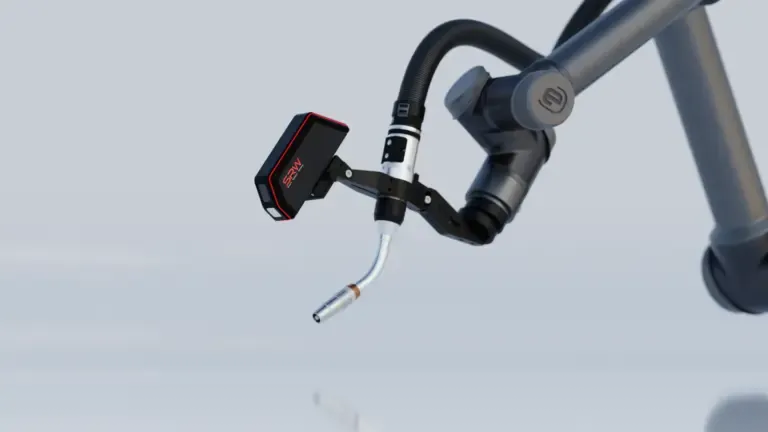
CADE SRW: intelligent robotic welding that adapts to the real part

CADE SRW is an intelligent robotic welding solution that recognises the joint, interprets the real part and adjusts the process as it welds.
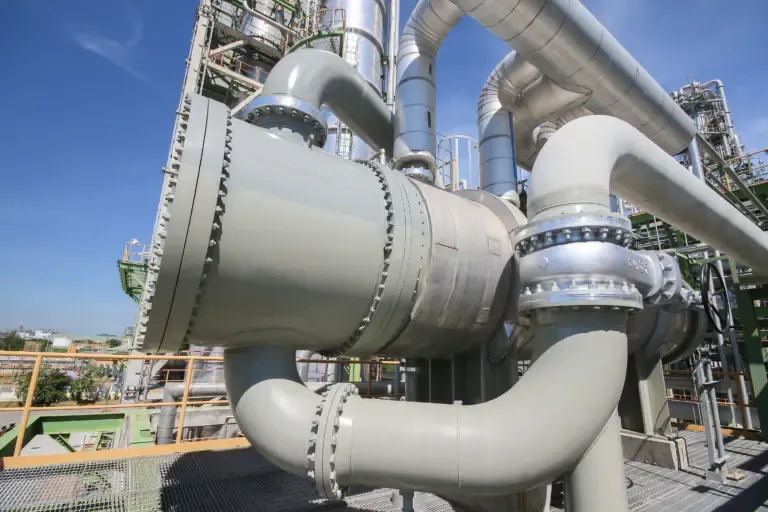
Flanged Joint Leak Tightness Analysis: Calculation and FEA