

ATEX Study: Smart Prevention and Industrial Strategy in Explosion-Risk Environments

In industrial environments where explosive atmospheres may form—due to the presence of gases, vapors, mists, or combustible dusts—conducting an ATEX study is not only a legal requirement but also a strategic practice to protect people, ensure operational continuity, minimize environmental impact, and strengthen corporate image. A systematic evaluation of these risks allows companies to anticipate […]
Explosive Atmospheres: Concept, Classification, and ATEX Parameters
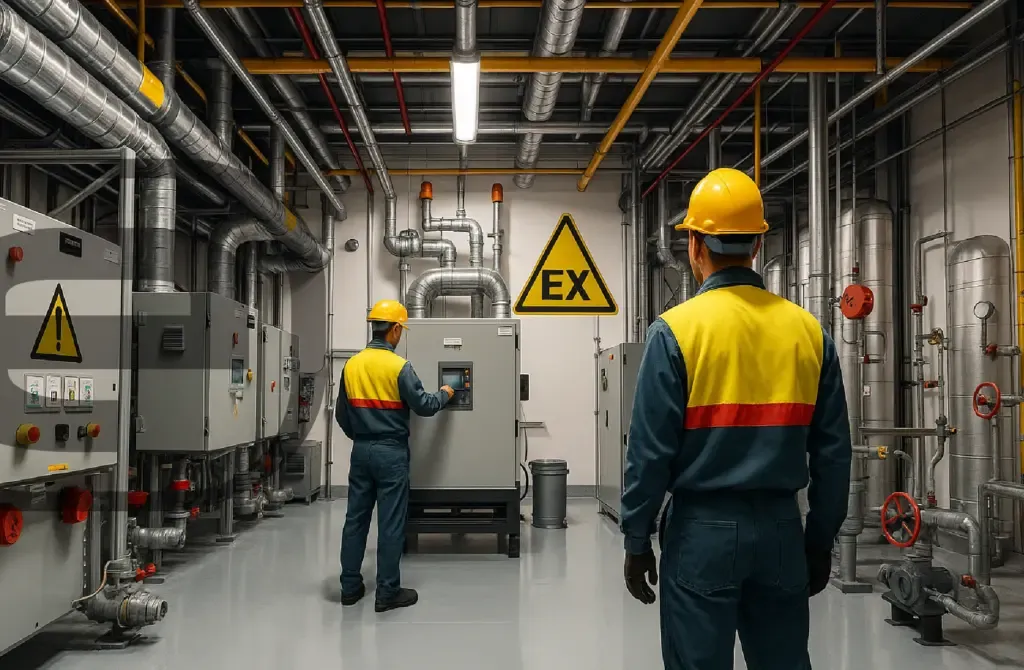
What is an Explosive Atmosphere? An explosive atmosphere is defined as a mixture of air with flammable substances (gases, vapors, mists, or dusts) which, under normal conditions of pressure and temperature, can ignite upon contact with an ignition source. This mixture contains a sufficient concentration of the flammable substance in the air to propagate rapidly […]
Predictive Maintenance in Energy Plant Assets: Ensuring Efficiency

Predictive maintenance is a key strategy in industrial asset management, both in refineries and solar thermal plants. Unlike preventive maintenance, which is performed at fixed intervals, condition-based maintenance is carried out only when data indicates it is necessary. This optimizes resource use and reduces downtime. Predictive maintenance relies on monitoring the condition of equipment, allowing […]
Ensuring the integrity of the refractory in pressure equipment
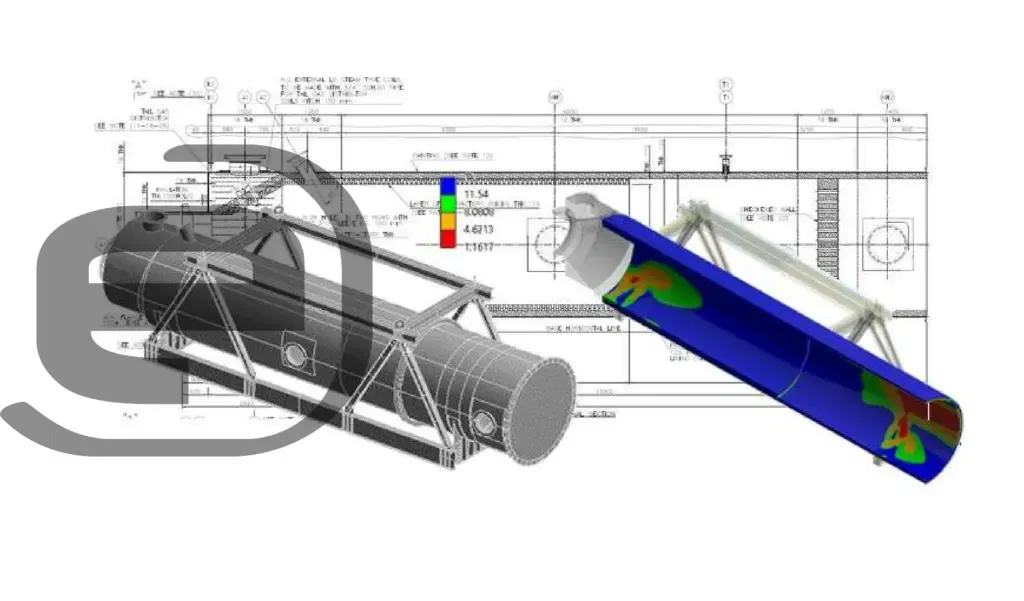
Pressure equipment manufacturers are routinely faced with strict strain limitations to prevent degradation or breakage of the equipment’s internal refractory during the transportation, lifting, and operating phases. The strict limitations imposed by the refractory suppliers are intended to avoid any type of damage to it, derived from excessive deformations or impacts on the equipment where […]
What is risk-based inspection (RBI)?
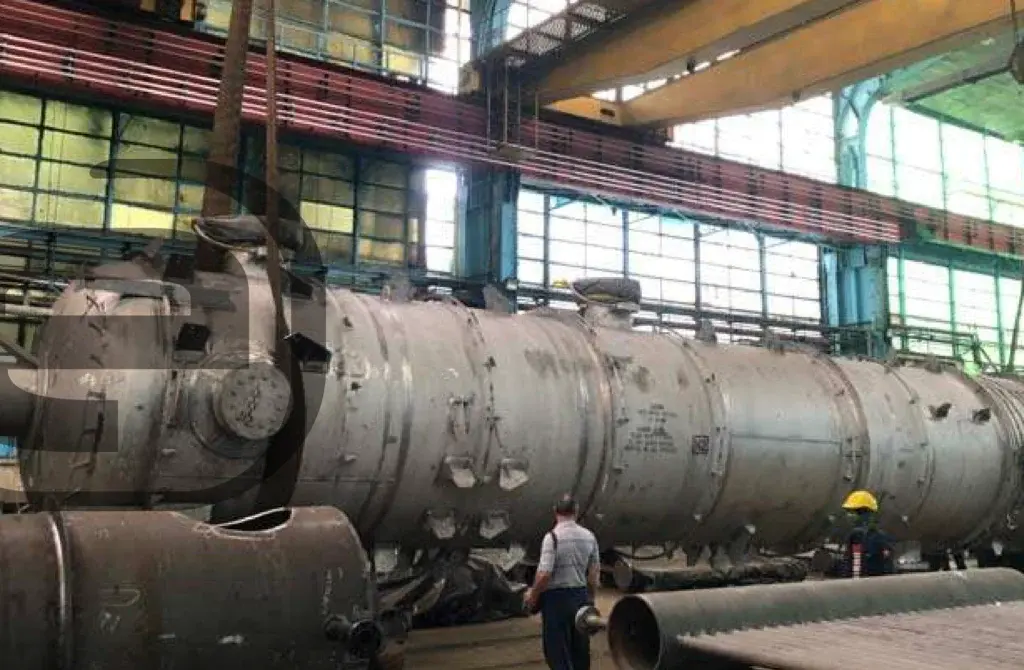
Risk-Based Inspection (RBI) methodology is a quantitative approach for establishing an inspection program using risk-based methods for static pressurized equipment, including pressure vessels, piping, tanks, pressure-relief devices (PRDs), and heat exchanger tube bundles, among others. Content Codes and standards The following RBI international standards and codes are within the most relevant: API 580 – Risk […]
Validation of structures/solar trackers. Our work methodology
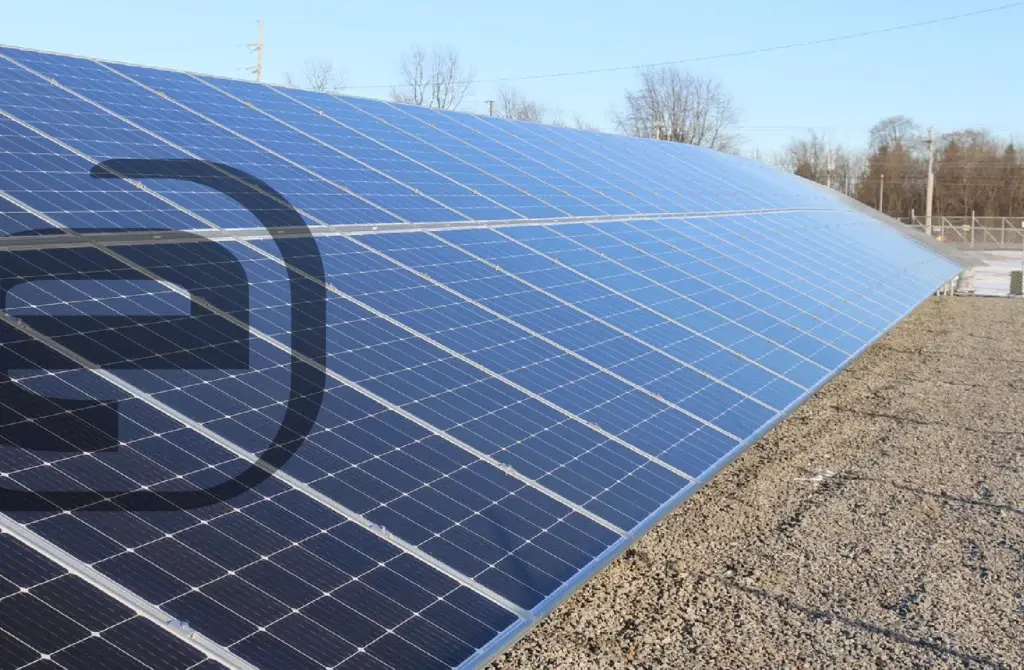
The installation of structures/solar trackers for energy generation, by small companies to large energy producers, has been very common for more than 10 years. This has led to the need for validation of the structures that support photovoltaic panels. Eurocode, a worldwide reference structural validation code, does not implicitly contemplate the calculation of this type […]