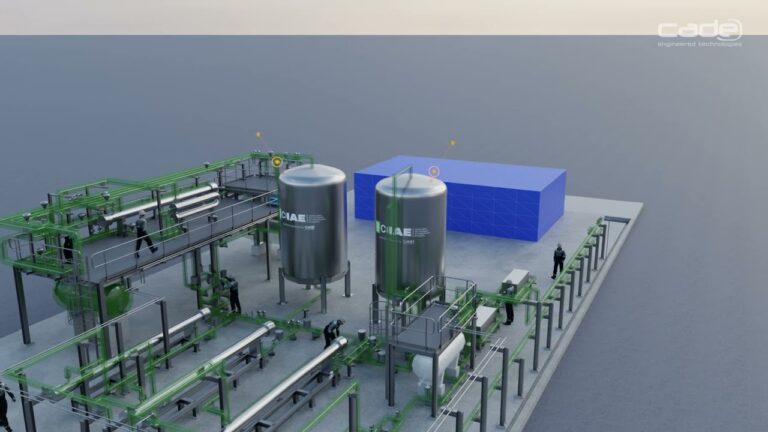

Electricity prices fluctuate throughout the day, as they depend on demand and, increasingly, on the variable supply from renewable sources. The advantages of energy storage are significant enough to consider it a necessary step towards the full decarbonization of industry. Storage also offers numerous benefits for all stakeholders involved in the process:
- For governments, storage reduces demand for fossil fuels, making it easier for public institutions to achieve their decarbonization or energy independence targets.
- For industrial users, storage capacity provides clear benefits when a continuous supply with low economic uncertainty is required.
- For grid operators, storage enables flexible electricity demand at scale; in other words, energy can be charged at times of excess generation and discharged when demand requires it, helping to balance renewable energy supply and demand.
Spain currently has no specific economic regime or clear incentives for energy storage (beyond the provisions of Royal Decree-Law 8/2023 and its forthcoming amendment). Nevertheless, major opportunities are opening up for this type of facility.

Possible Remuneration Scenarios for Energy Storage
The following are the economic mechanisms and models that can incentivize or remunerate the installation and operation of energy storage systems. These scenarios are essential to ensure that investments are viable, profitable and efficient, enabling the integration of renewable energy, improving grid stability and facilitating energy demand management.
1. Capacity Payments
In this scenario, storage system operators are compensated for the capacity they make available, regardless of the energy actually stored or dispatched. This model is useful in markets that value fast-response capacity to stabilize the grid.
2. Participation in Wholesale Energy Markets
Storage takes part in these markets by buying electricity when prices are low (generally due to surplus renewable generation) and selling it when prices rise. This participation occurs mainly in spot and day-ahead balancing markets.
3. Participation in Ancillary Services Markets
Storage systems can receive specific remuneration for the services they provide, such as frequency regulation, voltage control and other ancillary services required for the proper operation of the power grid.
4. Peak Demand Reduction Payments
Storage is used to flatten the demand curve, shaving consumption peaks and reducing the need for generation capacity at times of maximum demand.
5. Incentives for Renewable Projects with Storage
Additional grants or feed-in tariffs may be available for projects that combine storage with renewable generation, which improves the reliability and predictability of these sources.
6. Shared Revenue Models
Energy storage is used by multiple stakeholders (grid operators, energy retailers, industrial consumers), and the revenue generated is shared among them.
7. Infrastructure Investment Deferral Payments
In this case, remuneration is based on the savings generated by avoiding or postponing investment in new transmission and distribution infrastructure, thanks to the use of energy storage.
8. Energy Service Contracts
Energy service companies (ESCOs) install and operate the storage systems, receiving payments based on performance and the energy savings achieved. This model guarantees a reduction in the total energy cost for the end customer.
9. Dynamic Tariffs and Real-Time Pricing
This model reflects market conditions in real time, incentivizing energy storage to take advantage of low-price periods and avoid price peaks.
10. Capacity Auctions
In this scenario, storage operators compete to offer their capacity at the best possible price, providing fast demand-response services.
Conclusion
Each of these scenarios has its own advantages and challenges. The choice of the most suitable model will depend on the specific conditions of the energy market, local regulations and the strategic objectives of the stakeholders involved.
Related CADE services: Thermal Energy Storage
Further information: International Energy Agency (IEA)