News
Cladding in pressure equipment
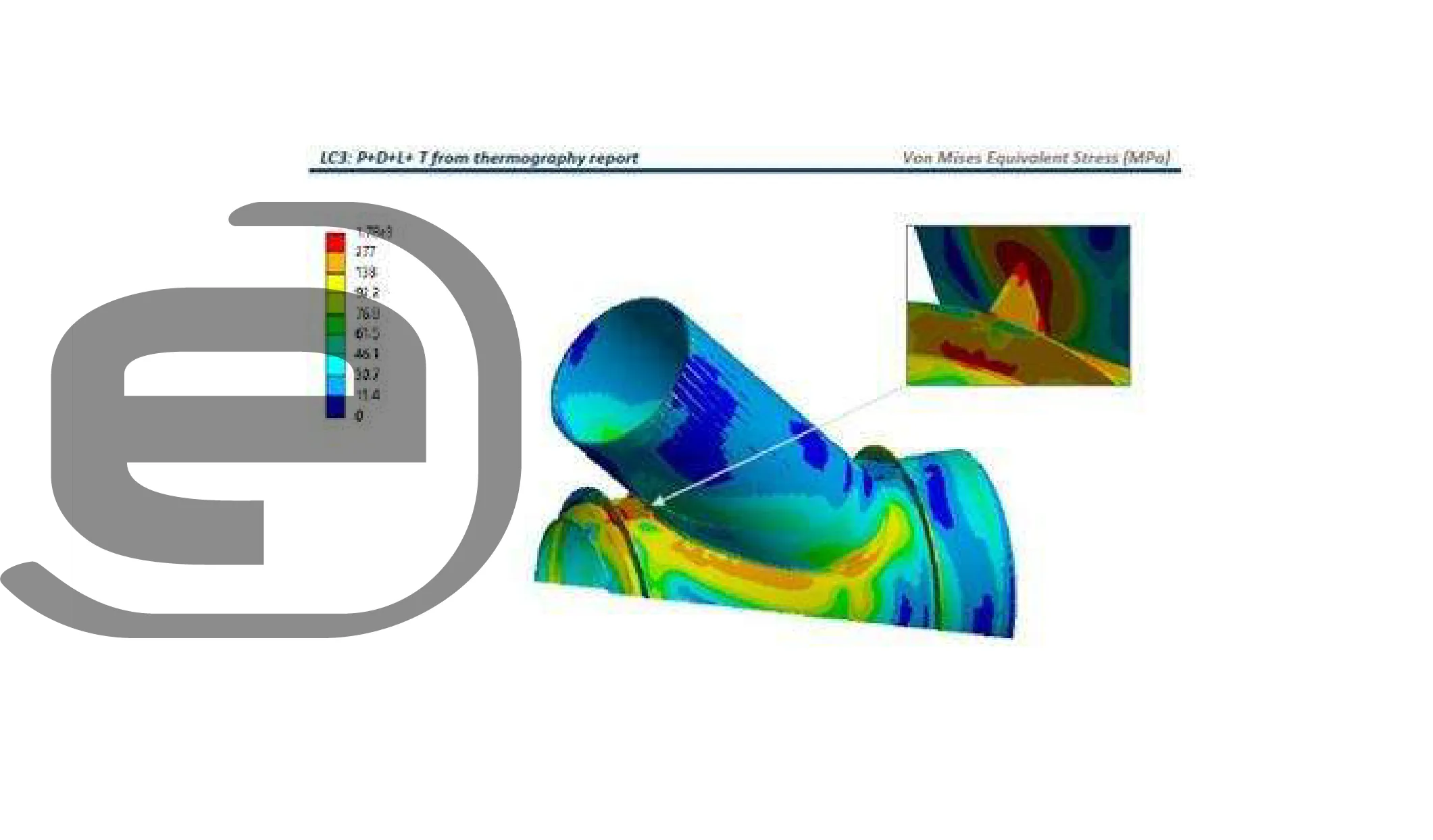
When dealing with the design of pressure equipment (heat exchangers, reactors, process columns, etc.), we can find certain design and operating conditions for which, in addition to having to guarantee an appropriate structural resistance, we must ensure adequate performance in the presence of corrosive environments or elements. The alternative to

Aging assets. The big choice of plant owners
Nowadays, many factors are seriously affecting major oil companies. Market conditions and uncertainties, aging assets, or decarbonization requirements will necessarily impact on their future investment strategies and business models. A transformation of their business paradigm is not only a challenge right now but also an opportunity as well, to continue
Deformations in storage tanks
When deformations appear in existing storage tanks, both atmospheric and low pressure, which exceed the maximum defined in the API 653 standard, the immediate step is to analyze the serviceability of the equipment (1) to guarantee an acceptable level of safety and accurately determine its remaining life (2) as well.
Thermal storage as a key element in the renewable electrification of industrial processes
Industrial processes, unlike the tertiary and residential sectors, require a higher proportion of heat than electricity. For this reason, the integration of renewable energies in these processes must consider thermal components that replace fossil generation systems. In this sense, different ways of obtaining renewable heat arise: Through biomass Through solar
Refinning sector: New oportunities for energy efficiency improvements
Energy efficiency is key in the oil refining sector, and has a direct impact on the reduction of CO2 emissions generated by its activity. I have always had a number in my head. From all the OPEX that a refinery has, almost 60% are energy costs… and that’s right. In
Occurrence of cracks in pressure equipment
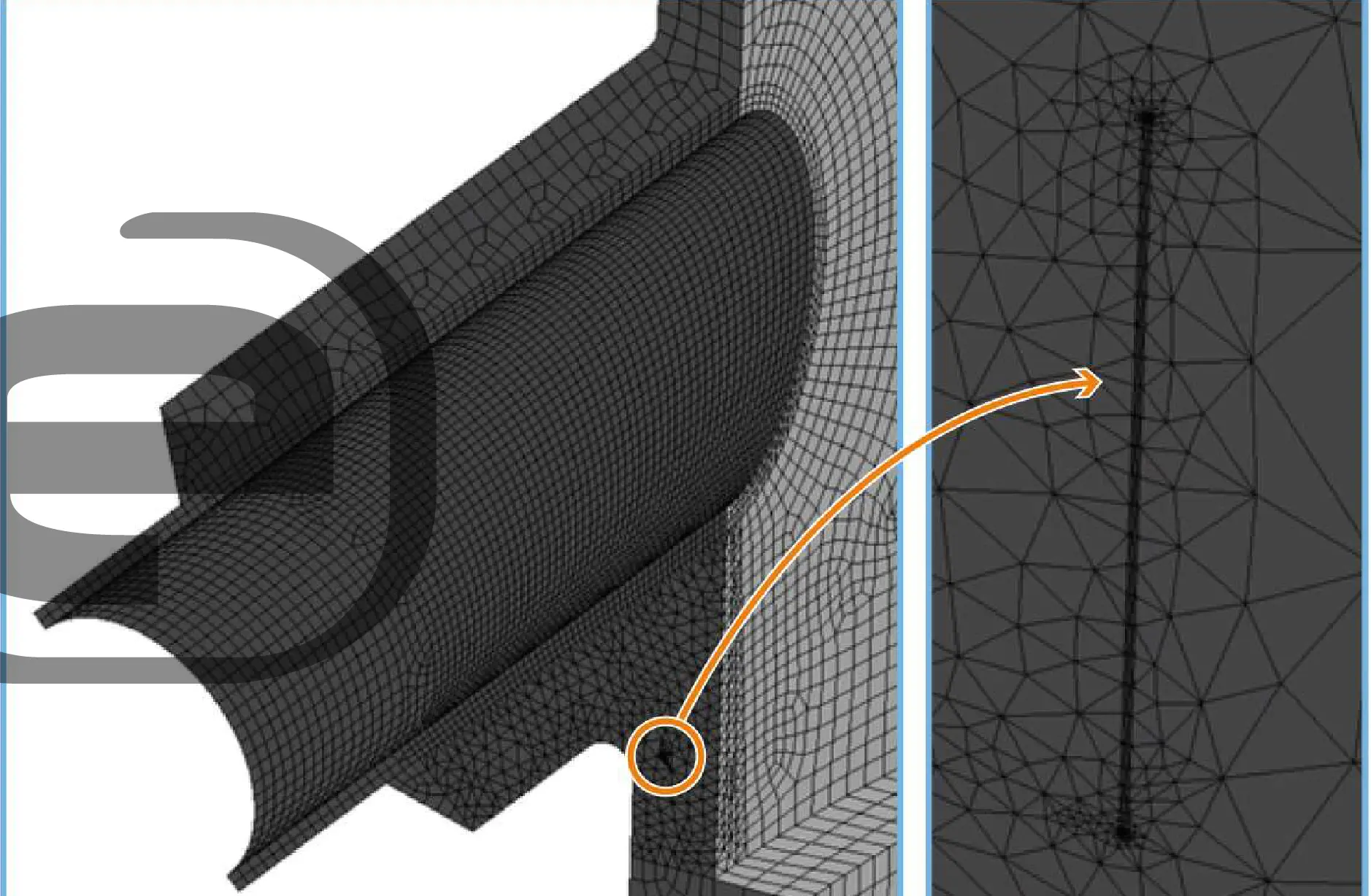
The failure mechanism due to brittle fracture in pressure equipment manifests itself as a rapid and unexpected fracture since it occurs without prior plastic deformation. In order to reduce the risk of brittle breakage, the correct evaluation and inspection of this equipment are essential to detect possible cracks that trigger
What is risk-based inspection (RBI)?
Risk-Based Inspection (RBI) methodology is a quantitative approach for establishing an inspection program using risk-based methods for static pressurized equipment, including pressure vessels, piping, tanks, pressure-relief devices (PRDs), and heat exchanger tube bundles, among others. Content Codes and standards The following RBI international standards and codes are within the
Dual training. Master’s degree in renewable energies
We have signed a collaboration agreement with the University of Castilla-La Mancha at the beginning of the master’s degree in Renewable Energy As it is a dual training master’s degree, students will acquire knowledge, both at the educational center and at CADE, therefore: They will receive practical and theoretical knowledge
CADE supporting talent
Last Friday we attended the Graduation ceremony for Mechanical, Electrical, Industrial Electronic and Automatic Engineering, and the Master’s Degree in Industrial Engineering from UCLM. Our colleague Patricia Berenguel, head of the Advanced Mechanics and Simulation department, awarded the prize for the best TFG in the field of Mechanical Engineering to